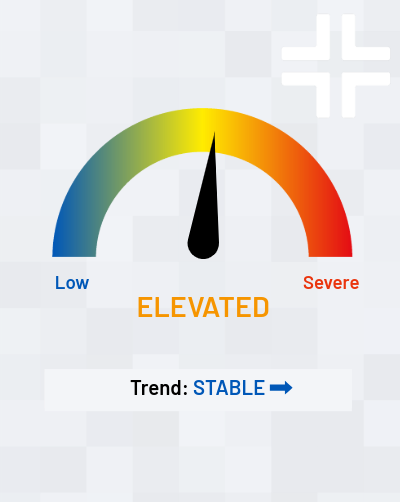
On October 8, the FBI and Justice Department seized seven domains behind two hacking tools, MicroScan and FishHub. They say the tools belong to Integrity Technology Group, a Beijing contractor linked to the group known as Flax Typhoon. The same day, CISA, the FBI, the NSA, and partners in six other countries published joint advisory AA26-281A. It describes how the group used scanning, guessed or reused passwords against Microsoft Exchange, and Microsoft’s own mail APIs to steal email from government, healthcare, manufacturing, and IT organizations. The DOJ said scan targets included a South Carolina power company and airports in Japan and Poland. CISA also added five old flaws to the KEV list, some dating back to 2015, including ProFTPD, Apache Struts, and ISC BIND. Most of this works without a new exploit: it relies on weak passwords and old software.
WHAT TO DO
- Require multifactor authentication on webmail, VPN, and every administrative login.
- Alert on password-spraying patterns: many failed logins across many accounts from the same sources.
- Monitor for bulk mailbox access through Exchange Web Services and Microsoft Graph.
- Patch or retire the older products named in the advisory and replace end-of-life edge devices.
- Hunt for the advisory’s indicators of compromise in DNS, proxy, and mail logs.
Source: The Hacker News (Ravie Lakshmanan), October 9, 2026; IBTimes Singapore (Dheemanth Kashyap), October 10, 2026