

Guidance for Organizations Navigating AI Risks and Governance
As artificial intelligence (AI) technologies become increasingly integrated into workplace operations, organizations face new opportunities and challenges. While AI can enhance productivity, automate processes and drive innovation, it also introduces risks related to data privacy, legal exposure and ethical use. To address these complexities, implementing a robust AI Acceptable Use Policy (AUP) is essential for organizations seeking to balance the benefits of AI with responsible AI use and governance.
At the end of this article, you’ll find free, downloadable resources, including a template for communicating an AI usage prohibition within your organization.
What Is an Acceptable Use Policy (AUP)?
An Acceptable Use Policy (AUP) is a formal set of rules and guidelines that defines how employees and stakeholders may use an organization’s systems, data and digital resources. Its purpose is to protect the organization from misuse, security risks, legal exposure and operational disruption.
Why AUPs Matter in the Context of AI
- Protecting Sensitive Data: AI systems often require large volumes of data to function effectively. Without clear guidelines, employees may inadvertently expose confidential or customer information to public AI platforms, leading to data leakage.
- Managing Legal and Regulatory Risk: The use of AI can trigger compliance obligations, especially when handling personal information or regulated data. AUPs help ensure that AI usage aligns with laws and industry standards.
- Preventing Unauthorized Use: By defining approved and prohibited uses of AI, organizations can mitigate risks associated with shadow IT, unsanctioned experimentation or use of personal accounts for business purposes.
- Maintaining Trust: Clear policies reassure customers, partners and employees that the organization is committed to ethical, responsible AI use, and sound governance practices.
What Organizations Are Risking When AI AUPs Are Missing
Understanding why AUPs matter is only the first step. The real challenge emerges when organizations fail to put these principles into practice, which quickly turns theoretical risks into real operational threats. Without clear guidance, employees may unintentionally share sensitive data with public AI platforms, rely on unverified AI outputs or bypass approved systems entirely, creating exactly the kinds of vulnerabilities that AUPs are designed to prevent.
A defining example of this risk emerged in 2023, when Samsung engineers accidentally leaked proprietary source code and confidential meeting notes into public generative-AI tools (as reported by Bloomberg). The incident was not malicious; employees were simply using AI to accelerate their work. But without a clear policy outlining what data could be shared, which tools were permitted and how AI should be used safely, sensitive intellectual property was exposed beyond Samsung’s control. The company was forced to restrict generative-AI use entirely and reassess internal governance, highlighting how quickly well-intentioned experimentation can become a high-stakes data security failure.
This incident illustrates how easily AI-related risks can materialize when guardrails are missing. It also underscores why organizations cannot rely on awareness alone. Understanding the risks is important, but a clear AUP puts that knowledge into practice, helping to avoid costly errors.
Key Elements of an AI-Focused AUP
There isn’t a universal approach to AUPs. Every organization should develop its policy to align with its objectives, risk tolerance and applicable regulatory requirements. Nonetheless, successful Acceptable Use Policies generally contain the following elements:
- Scope of AI Usage: Define which AI tools and platforms are permitted, and under what circumstances.
- Approval Process: Require explicit written approval from designated IT, security or compliance owners before any business use of AI tools.
- Data Protection Requirements: Prohibit inputting, uploading, or exposing organizational or customer data to AI services unless approved.
- Exception Handling: Describe how employees can request exceptions and the criteria for granting them.
- Consequences for Violations: Outline disciplinary actions and legal or regulatory notifications for non-compliance.
Making Policies Your Own
While templates and best-practice frameworks provide a solid starting point, no Acceptable Use Policy should be adopted wholesale. Every organization operates with different technologies, regulatory obligations, data sensitivities and cultural norms, which means every AI-focused AUP must be tailored to fit its environment. The most effective policies are those that reflect not just generic risk considerations, but the actual workflows, capabilities and vulnerabilities present within the organization. .
- For teams with limited to no experience in AI adoption: Starting with a strong prohibition clause (see our sample shutdown all use clause) can offer immediate protection. This approach restricts the use of public generative-AI tools until proper governance structures, training and internal reviews are in place. It’s a solid first step: rather than rushing into AI adoption without guardrails, these organizations pause to build foundational understanding and minimize exposure while they prepare for responsible use.
- For teams with experience in AI adoption: Start with an awareness that an overly restrictive stance can hinder innovation and create friction with teams already experimenting with AI. In these environments, policies must strike a deliberate balance enabling employees to harness AI’s benefits while protecting the organization from data leakage, ethical missteps and compliance violations. This often requires more detailed guidance, such as when AI may be used, what types of data are permissible, expectations for human oversight, vendor requirements and logging or review obligations.
Regardless of maturity level, every organization should collaborate closely with legal counsel, security leaders and business stakeholders when adapting its AUP.
- Legal teams ensure the policy aligns with contractual, regulatory and data-protection obligations.
- Security teams identify technical and operational risks.
- Business units help shape policies that are realistic and supportive of productivity goals.
Involving stakeholders in the co-creation of policy enhances adoption, facilitates enforcement and results in a framework that is both practical and well-supported.
How to Implement an AI Acceptable Use Policy
Creating an AI-focused Acceptable Use Policy is essential, but its effectiveness depends entirely on how well it is implemented. A policy sitting in a SharePoint document library hidden on your Intranet will not protect the organization. It needs to be understood, adopted and actively enforced. Implementing an AUP requires a structured approach that brings together legal, technical and cultural considerations. The following steps outline how organizations can move from policy creation to real-world practice.
- Develop the Policy Collaboratively: Effective AUP implementation begins with thoughtful development. No single team should write the policy in isolation. Cross-functional collaboration ensures the policy is accurate, enforceable and grounded in how the organization operates.
- Tailor the AUP to Real Use Cases: Once the draft is created, organizations should evaluate it against real scenarios to ensure the policy is not theoretical but directly applicable to the organization’s actual AI environment.
- Communicate the Policy Clearly and Consistently: A policy is only as strong as employees’ ability to understand and follow it. Employees should not only know the policy text but also the context, what prompted it, how it protects them and how it supports responsible innovation.
- Provide Training and Practical Guidance: Training should go beyond reading the policy, it should aim to transform the AUP from a rulebook into a set of shared behaviors and expectations.
- Enable Compliance Through Technical Controls: Policy alone cannot carry the load; technical systems must support it. Examples include:
- Blocking or restricting access to unapproved public AI platforms
- Implementing data-loss prevention (DLP) tools
- Logging and auditing AI activity in enterprise systems
- Configuring role-based access to sensitive model features or data
- Require vendor disclosure of any AI capabilities within their products or services
- Implement risk assessments for external AI systems handling your data
- Establish Clear Enforcement and Governance Structures:
- Define consequences for misuse in a transparent, consistent way
- Assign policy owners (often Legal + InfoSec) responsible for updates
- Create channels for supporting users
- Set a cadence for policy reviews at least annually, or when AI capabilities shift
- Reinforce Through Culture, Not Just Controls: The most successful AI governance programs aren’t policed, they are embraced. This mindset shifts the AUP from a compliance document to a shared commitment.
Key Takeaways
AI technologies offer transformative potential, but responsible AI use requires clear, comprehensive AUPs. By proactively establishing guidelines, organizations can safeguard sensitive information, comply with regulatory requirements and foster a culture of trust and accountability in the digital workplace.
As the Samsung incident shows, it only takes one ungoverned interaction with an AI tool to expose intellectual property, compromise data or create unintended legal exposure. Waiting for a crisis before implementing safeguards is no longer a viable strategy. The organizations that thrive in the AI era will be those that recognize governance as a catalyst, not an obstacle, to safe and sustainable innovation.
A well-crafted AI Acceptable Use Policy does more than set boundaries. It empowers employees to use AI confidently, ensures alignment with compliance standards and provides leadership with assurance that innovation is happening responsibly. Whether your organization is just beginning its AI journey or already integrating advanced tools into daily operations, now is the time to formalize expectations and put the right protections in place.
Free Downloadable Resources
- AI AUP Template: This template can help organizations think through essential questions and customize their policy. It is recommended to review the template with your General Counsel before implementation.
- Shutdown All Use Clause Template: This sample template is designed for organizations that wish to temporarily prohibit all AI usage until a comprehensive policy is established.
AI Solutions That Deliver Results
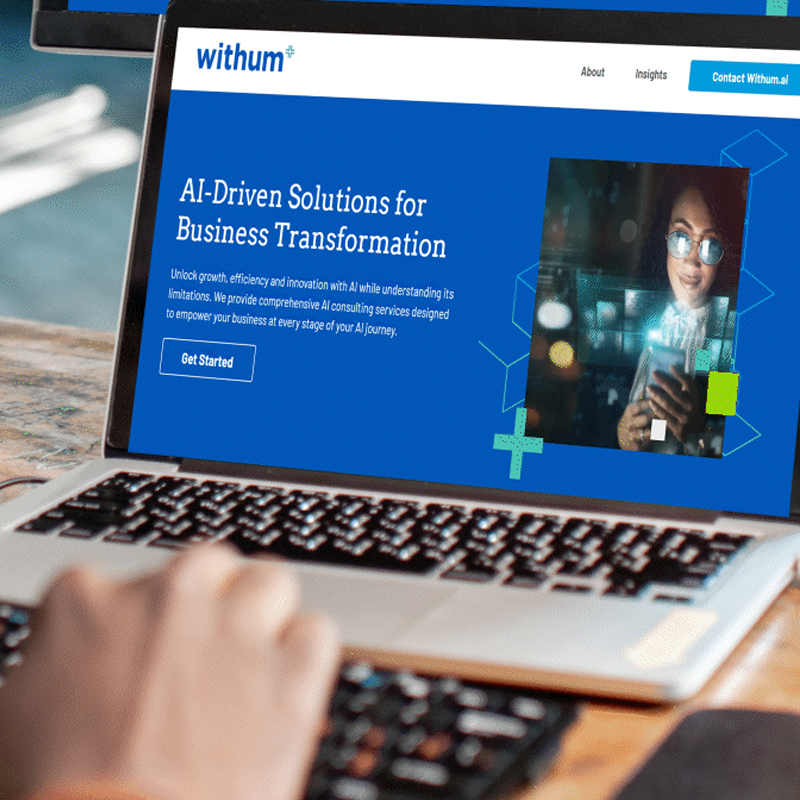
Explore withum.ai, your resource for AI implementation and production-ready solutions. Find expert insights and practical guidance to move your business from ideas to impact.
Contact Us
Ready to take control of your AI strategy? Contact our AI Services Team today to evaluate your options and implement governance frameworks that drive trust, compliance and innovation.