
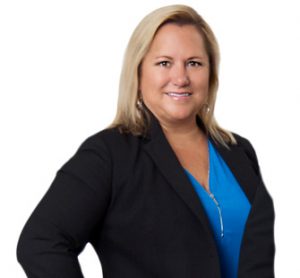
The hospitality industry has faced mounting challenges over the past five years, with insurance costs emerging as one of the most pressing issues for hotel owners and operators. In a recent episode of Withum’s Lodging Insights and Innovations Podcast, Lena Combs, Partner and leader of Withum’s Hospitality Services Team, sat down with Joey Masters, Senior Partner and National Hospitality Practice Leader at The Baldwin Group. Their conversation explored the current insurance landscape, the drivers behind rising costs, and strategies for hoteliers to protect profitability while ensuring adequate coverage.
The Escalating Cost of Insurance
Masters began by noting that insurance costs for hotels have risen two to three times since 2020. Initially, property insurance was the primary concern, particularly in regions vulnerable to hurricanes and severe weather. By 2024–2025, however, liability insurance became the dominant challenge. Hotels cannot simply offset these increases by raising room rates; instead, operators must find creative solutions to manage expenses.
The rise in liability costs stems from “nuclear verdicts” and social inflation, where claims are settling for far higher amounts than anticipated. A slip-and-fall incident that might once have cost $200,000 can now result in a $2 million payout. This unpredictability has led many carriers to exit the hospitality market, reducing competition and driving premiums higher.
Brand Requirements: A Double-Edged Sword
Insurance requirements imposed by major hotel brands such as Marriott, Hilton, and Choice were described as a “necessary evil.” While these standards protect both brands and operators, they can be costly to meet. Masters emphasized that brand requirements are often boilerplate, designed for broad application, but in some cases, they can be negotiated. Over the past few years, brands have demonstrated greater flexibility, listening to operators’ concerns and adjusting their requirements when necessary. For hoteliers, the lesson is clear: always ask, because negotiation can yield meaningful savings.
Insurance as a Competitive Differentiator
Insurance has become a key differentiator in the lodging sector. Masters shared examples of hotels switching management companies solely because of their ability to secure better insurance pricing. In one case, a resort reduced its insurance costs by 60–70% after changing management firms, translating into hundreds of thousands of dollars in savings.
Large management companies often have the scale to negotiate favorable rates, leaving smaller owner-operators at a disadvantage. For those with only one or two properties, insurance costs can be disproportionately high compared to competitors with larger portfolios. As a result, many independents are being forced into management arrangements to remain financially viable.
Prefer to Listen?
Tune in for Lena and Joey’s discussion on the current hospitality insurance landscape, the drivers behind rising costs, and strategies for hoteliers to protect profitability while ensuring adequate coverage.
The State of the Insurance Market
The insurance market has undergone significant changes since 2020. Property insurance hardened during the pandemic, particularly in the Southeast, where repeated storms battered carriers and reinsurance providers. By 2024, however, property rates began to decline thanks to relatively mild hurricane seasons. Unfortunately, liability insurance costs surged at the same time, erasing much of the relief.
Masters explained that carriers are increasingly moving away from guaranteed cost programs—where liability claims are fully covered without deductibles—toward self-insured retention models. Under these programs, hotel operators may be responsible for the first $100,000 of every claim. This shift will force owners and management companies to take safety and loss control far more seriously, investing in preventative measures to reduce claims.
Strategies for Owners and Operators
So, what can hoteliers do to manage rising costs? Masters emphasized the importance of proactive risk management. Operators must accept greater responsibility for claims and safety, rather than relying on carriers to absorb losses. Key strategies include:
- Fortifying assets: Investing in stronger construction materials, such as concrete over frame, and ensuring regular maintenance (e.g., new roofs, impact-resistant windows).
- Operational controls: Implementing safety programs, slip testing, and loss control measures to reduce liability risks.
- Early preparation: Starting renewal discussions six months in advance to identify opportunities for improvement and negotiate better terms.
- Long-term mindset: Viewing investments in safety and risk mitigation as multi-year savings rather than one-off expenses.
Masters stressed that every dollar counts in today’s environment. With acquisitions and development slowed, now is the time for operators to refine operations and build stronger foundations for future growth.
Choosing the Right Broker
Selecting the right insurance broker is critical. Masters advised that specialization matters—hospitality portfolios require brokers who understand the industry’s unique risks and coverages. The size of the broker should also align with the size of the portfolio. Smaller owners may benefit from boutique firms that provide personalized attention, while large portfolios require sophisticated brokers capable of managing complex programs.
Beyond procurement, brokers should add value through loss control, safety programs, and analytics. The best brokers help clients understand why claims occur, provide on-site assessments, and prepare reports that demonstrate proactive risk management to carriers. This level of sophistication can make a significant difference in underwriting outcomes.
Geographic Variations
Insurance challenges vary dramatically by geography. In the Southeast, Florida has implemented tort reforms that are beginning to moderate liability costs, although neighboring Georgia continues to struggle with high verdicts. Crossing state lines can result in significant differences in premiums, even for similar risks.
Nationally, states like California and New York remain challenging markets due to their complex legal environments, while Midwestern states are generally more favorable. For property insurance, hurricane-prone regions remain volatile. Wind insurance costs in Florida skyrocketed after 2020 but have recently declined thanks to favorable storm seasons. Still, one major hurricane could reverse those gains overnight.
The Path Forward
Masters concluded by acknowledging that insurance is a “necessary evil”—unavoidable, often frustrating, but essential. The key is to approach it proactively, investing time and resources well in advance of renewal cycles. By fortifying assets, implementing safety measures, and working with specialized brokers, hoteliers can position themselves more favorably in the underwriting process.
Looking ahead, Masters predicted that tort reforms and improved loss control will eventually stabilize the market. Over the next three to five years, carriers may return, pricing may normalize, and guaranteed cost programs could reemerge. In the meantime, however, the industry faces painful adjustments as liability costs rise, and operators assume greater responsibility for claims.
Conclusion
The hospitality industry’s insurance landscape is undergoing profound change. Rising liability costs, reduced carrier participation, and shifting program structures are reshaping how hotels manage risk. For owners and operators, the message is clear: insurance can no longer be treated as a passive expense. It must be actively managed through operational improvements, strategic broker relationships, and long-term investments in safety and asset quality.
As Masters emphasized, every dollar saved compounds over time. By taking insurance seriously and preparing proactively, hoteliers can protect profitability, safeguard their assets, and navigate the complexities of an evolving market.
Contact Us
For more information on this topic, please contact a member of Withum’s Hospitality Services Team.