The most important thing is to get care and talk to somebody. We are certainly a resource to help you do that.
Transcript:
This podcast was transcribed through a third-party application. Please disregard any misrepresentations.
Brad Caruso:
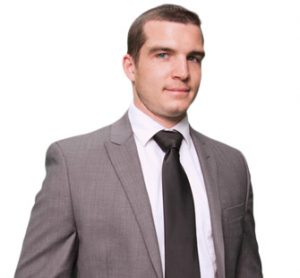
<silence> Welcome to Civic Warriors, brought to you by Withum. On this podcast, we bring the conversation to you sharing, engaging stories that motivate and build consensus in the nonprofit community. This podcast is about the innovators, the leaders on the front lines of adversity, guiding lights in the nonprofit industry affecting change. And through their stories, we can all join forces to become civic warriors. Hey, warriors. Welcome to today's episode of Civic Warriors, brought to you by Withum. I'm your host, Brad Caruso, leader of Withum's not-for-profit practice. Today's guest is William Negley, founder, and CEO of Sound Off. Sound Off is a 501c3 not-for-profit organization whose mission is to provide mental health support to veterans and service members in such a way that the 47 plus percent of those suffering who otherwise refuse to seek help feel culturally, bureaucratically and psychologically comfortable doing so. Sound Off acknowledges and precisely addresses the well-known barriers to entry by changing several elements of the traditional delivery of support, thereby bringing a significant population of previously underserved veterans and service members into help. You know, all of us hear the statistics every day, uh, which is very alarming, and yet they continue year after year after year. Uh, and we're gonna find out more about how Sound Off is working hard to help veterans and service members in need and provide a much needed service in the world. So, with that said, William, welcome to the show.
William Negley:
Thank you for having me. And that's a great, uh, I don't know where that was, if, if you threw all of our website into ChatGPT to come up with a, a good consolidated, uh, intro of us. But that was well done. <laugh>
Brad Caruso:
ChatGPT works for a lot of things. <laugh>. Yes. And your website's awesome, you know, very well laid out and has a lot of good information on it. Easy to read, so appreciate that.
William Negley:
Thank you.
Brad Caruso:
I think it's always great to hear a little background and just wanna hear from you what drove you to found and establish Sound Off and, and really the why behind the organization.
William Negley:
Yeah, absolutely. And it's pretty common for the founding history of this organization to be missed a little bit for reasons that I think will become clear. You know, my story is really the story of Sound Off, from San Antonio always felt a call to service, was 17 on September 11th. That certainly doubled down on that natural instinct. So joined the CIA in 2009 focused on Afghanistan, Pakistan, counterterrorism, counterintelligence operations. But you know, a part of that origin story is my mother is a mental health provider. So I, I like to say I grew up on a couch. You know, mental health support was not something that was stigmatized with my family. Cer- certainly to the contrary. And so when I joined the agency, you know, I had been around the national security sort of veteran special operations intel space, but I'd never been inside it. And so I came into this community and it was just pretty clear, pretty quickly, this is a community that is fraying at the edges already.
William Negley:
You know, this is just a lot of years of war even then 2009. And simultaneously it was just very self-evident to me. There was a fundamental flaw in how we were trying to support this community. And that flaw was just very self-evident. Me and my friends who had worked our whole lives to get into this sort of pinnacle position, you know, career, were not going to walk into, you know, say CIA mental health services to talk about our drinking problems, right? Like that, that was just a non-starter. And, you know, I knew, again because not not through any data, I didn't even know the data existed on this, that, that whether you're an F-18 pilot, whether you're a marine, whether you're a seal, whether you're, uh, you know, a young Army officer, that that sentiment certainly carried through at least some meaningful percentage of that community. And so the question was, if a lot of these men and women know they probably should be talking to somebody, but are facing these very practical barriers to engaging with care, best summarized as I don't want anybody to know that I am seeking help. Well, how can we just allow them to seek help without anybody knowing? And that truly 13, 12 years ago was the seed thesis that leads us to today.
Brad Caruso:
Yeah. And definitely, uh, and I know you're gonna share a little more about some of the challenges as to why that's difficult to make happen, but, but certainly, uh, you know, to your point, and, and you know, we grew up around the same age and you know, I knew there was a big stigma even growing up of seeking mental health support. It wasn't until the last, I'd say probably five, five years maybe, maybe 10 years at the most, that there, you know,
William Negley:
I mean, setting aside the, the sort of caricatures of Gen Z, COVID certainly changed our societies, you know, sort of views around mental health. When we did our first quote unquote gala type thing after COVID, we said it out loud. Like, everybody in this room in the last year or two has gone through some level of trauma. We don't need to sort of highlight that at the same level as maybe we have in the past, because you've all lived through something fairly traumatic in the last year or two,
Brad Caruso:
No doubt. And at the end of the day, we're all in this to help people work through that. And you're right, if, you know, if there's a way to create that anonymously, I think it's it's definitely is better for everybody as well,
William Negley:
If they are otherwise unwilling to engage. Engaging anonymously is better than not engaging at all.
Brad Caruso:
Correct.
William Negley:
And I just highlight that distinction because it's one of the battles, quite frankly, sort of philosophical bureaucratic battles that we face that you'll hear from many in, in the
sort of more traditional clinical space was, well, that person should just come in and see me. Yeah. Like of course I agree with you, but we've got literally decades of evidence of, of DOD funded research that says this meaningful percentage will not. So is the implicit argument that person just doesn't get to engage with care if they won't come in and see me. You know, of course they'll never say yes to that. But that is somewhat the implicit argument and we just philosophically strongly disagree with that.
Brad Caruso:
So, on that topic, and, and you know, I kind of vaguely talked about in the front, but, but when you think about some of the, you know, core data points and, and statistics that you're mentioning, and as we think about some of the, the negative statistics out there, what, what statistics do you concentrate on and what are some of the things that you've been tracking, just running Sound Off?
William Negley:
I'll give you the statistic that, you know, I would say every organization in this space sort of starts from, we try and sort of move past it quickly because it's so, I, I would submit sort of baked in, but you know, 2011, the 22 veteran suicide, a day number came out from the VA. And, and that, I mean, maybe more than any, you know, statistic certainly in this space has just sort of societally grabbed hold. You know, I mean there's more than one organization named 22 a day and you know, that number has gotten charged, the VA has revised how they count people question whether that is accurate. Are they missing certain deaths by suicide? Are they missing overdoses? And, and things that maybe aren't technically suicide but are likely still, you know, a byproduct of sort of trauma at least to some associated with service.
William Negley:
But we sort of organizationally take as baked in that if everybody doesn't know there's a problem, most people know that that's a problem that we have like a mental health challenge in, well in this country, but certainly within the veteran service member population. So we're trying to pretty quickly move kind of one step down from that. And where we go is, rewind to 2013, I sort of intuitively knew these men and women won't seek help. I didn't know any research on it, even though there was research on it, but there's a lot of research on it. RAND I would say more than anybody else, DOD funded has led a lot of research over the last 20 years on how many veterans and service members don't seek kelp, why they don't seek kelp, the sort of cultural, practical, bureaucratic barriers around engaging with care. There's a lot of different studies that can be pointed to on this.
William Negley:
We like to look kind of the marquee one that we hang our hat on is out of rand and the exact statistic is 47% of post nine 11 veterans and service members who have deployed, who meet the definition of major depression or PTSD have not sought help in the last year. And that research has tragically staged fairly consistent over 20 years. And to me, that's not necessarily the whole ball game, but it's like a big part of it. What, what I go to bat on over and over and over is all of this tremendous work and different modalities of care and, you know, looking at psychedelics, just all these different things that are really good work and need to be proven out are just definitionally irrelevant if that man or woman will not walk in the door and seek care. And we, we know that if not the majority, very close to the majority of those that are really struggling won't walk in the door.
William Negley:
And so then if you take that down, another step sort of logic, tricking this down, the question is, well why, why won't they walk in the door? And what is very convenient is that that research asks the same kind of set of questions over time, fairly co consistently, and the answers are fairly consistent. And I can go through exactly how they phrase it, but to really paraphrase what it means is I don't want anybody to know whether that be concerned about how leadership would view me or professional blow back like however we characterize it. The punchline is, I don't want anybody know I'm seeking help. So that, you know, when I think about this organizationally, I think about problem statement, right? Like my problem statement is not 17 people are dying a day. My problem statement isn't arguably even like half won't seek care, it's these people won't walk in the door 'cause they don't want anybody to know.
William Negley:
So our solution to that is, well then let's let 'em seek help without anybody knowing. It's just really that simple. So the statistic, the, the like core initial statistic that we look at in terms of results is we ask exactly that same question, right? Have you sought help in the last year? If not, why not? And as of right now, about 40% of the people seeking help on sound off say, I have not sought help in the last year. We say, why not? They say again, paraphrasing. 'cause I don't want anybody to know. So, you know, if we are, and I, I suspect that this number will go up, but if today we are reaching, if 40% of the people are reaching are otherwise never having engaged, that's a very meaningful impact on those highest risk.
Brad Caruso:
Yeah. And, and what you're concentrating on is an actionable item that you can have, you know, a solution to. Obviously there's, there's barriers there that we should get into, but you have an actionable solution. It's not an outcome-based measure. It's more of a, in incoming based measure of people are not seeking help. So as you said, how do we get people to anonymously seek help if that's the predominant reason as to why, you know, you, you can act upon that and that, and that's how you are acting. So I, I think that's the most important, you know, thing to get across. And I think that's phenomenal that you've saw that, you've identified that obviously your premise was correct on the front end, <laugh>,
William Negley:
And I'll emphasize I appreciate your, your sort of thinking in that, because sometimes that's challenged, right? People say, well, I don't wanna know about people walking in the door, I want to know about show me longitudinal 6, 12, 18, 24 months. And I, and I think that is reasonable enough
Brad Caruso:
As a step two <laugh>.
William Negley:
But, but exactly. I mean, the metaphor, the, the, the, the metaphor that I use is if we have somebody who's never stepped into a doctor's office, walk into a doctor's office, they haven't gone back into the patient room, but they're standing in the lobby, is that a win? I'm not saying it's the entire thing, but I would strongly submit, yeah, if that person's never walked into a doctor's office before and now we kind of have our hands around them, I would submit that that is a win. I think part of the issue is that's a level of granularity that few other modalities, you know, if you're not in technology, that's like a granularity of consumption that most organizations can't really engage with.
Brad Caruso:
Got it. Yeah. And interestingly enough to your comment there, your analogy of, you know, being in the waiting room is that, is that a win? And I've, I've listened to many podcasts and a few, you know, veteran run podcasts and, and a lot of the time they're like, a lot of the people I've said, there's been some level of divine intervention that someone contacted them that day or something happened that day or something occurred that forced them to either go seek help, go talk to someone, go do something. And you know, I've heard about more more than several times.
William Negley:
Well, and, and here's, which is
Brad Caruso:
Interesting,
William Negley:
Here's where that carries over. I mean, I'll tell you the sort of where we hear about this. Again, somewhat anecdotally within our organization, somebody will download our app again, carrying the metaphor out, step into the doctor's office and then do nothing for a month, three months, six months. But we're in their pocket literally and figuratively. And then something will happen, some triggering event. I need help right now. While the fact that we're already in their pocket, they've, you know, every time they open their phone, they see our little app in the corner, then they hit the button. And that's, that's good enough, right? I mean that's, I would submit that that's still a win.
Brad Caruso:
I think it's a hundred percent a win. That's, that's the inter it doesn't have, I use the word divine, but it doesn't have to be divine. It can be just, you know, an element of you're in the right place at the right time and, and now and now you have access to something that, oh, I didn't realize at that time I should access it. But now I, now I know. And, and I've had person situations like that in my own personal life where without getting into gory detail that, that, that's occurred. And it's, you know, it, it goes a long way. So I can greatly appreciate that. Obviously being anonymous though is a challenge, especially if it deals with healthcare. Can you share a little bit more about what, what are some of the kind of like challenges you run across of maintaining anonymity? 'cause obviously you have the anonymous app, but how do you carry that through?
William Negley:
I would say that the biggest way that we go about it is stubbornness to sticking to the core thesis of why we exist. Because yeah, the answer is it makes every single thing that we do more complex, far, most significantly. Just from a sort of economics business model, you know, all of that perspective, it makes things far more complex from a technology perspective. It requires more due diligence in looking at things, you know, okay, we're gonna plug this product in, you know, are we, are we comfortable with it? What does it grab, what does it collect? Um, you know, and, and I'll, and I'll give you, I'll give you an example. We were, this is years ago, we were building our survey system and we were gonna use, uh, I won't put 'em on blast, but we were gonna use a very heavily used survey product.
William Negley:
And they had a quote unquote anonymous option. And looking at it, we realized, oh no, this isn't anonymous at all. They still capture all the same data, they just don't give it to us, which wasn't good enough for us. So we ended up building our own survey system. So I would say it's those types of things. And then just, you know, we are now mature enough as an organization and engineering team that everybody just like looks at everything through this lens that we would never even think about doing this. But, you know, it's sort of my job to look at, you know, lines that we absolutely will not cross. And then there's, you know, there's a universe of like sort of philosophical perfection that doesn't allow us to actually help anybody. And then there's the in-between, you know, okay, this is what we're gonna do.
William Negley:
Theoretically, if these 12 things happened, maybe somebody could be exposed, but that's just not a reasonable sort of standard and this is what we need to do to help people. But the far more complex piece is, you know, true anonymity just runs so counter to how the healthcare industry in this country operates, right? I mean, we are a nonprofit because I cannot bill for truly anonymous care, right? I can't go to the Blue Cross Blue Shield, VA, DOD, et cetera, et cetera, et cetera, and say, I did a hundred thousand, you know, sessions of clinical support last year at $200 a session. You owe me $20 million. Oh, but I can't tell you who they were, you know, show you medical records, et cetera, et cetera. So, you know, we have had to learn and evolve how to scale as an organization, how to demonstrate our value as an organization while maintaining that core thesis. But I would submit, ultimately we've seen those things go hand in hand, right? That our true differentiation is having stuck to this where this part, you know, this segment of the population, everybody knows this is a problem we've shown we can reach them now we gotta figure out how to scale that, how to make that viable, how to make that work. But like, step one, this is not sort of a commodity mental health product. This is a differentiated thing re reaching an untrue of audience.
Brad Caruso:
Correct. Yeah, yeah. You, you've identified and helped identify the population to be, you know, assisted. And now it's, you know, now it's how do we, you know, actually get them the help that they need in that too. So that leads into how you're connecting with other organizations in that
William Negley:
Yeah. That everybody's know, has known, you know, is unserved. But it's just like, how do we, how do we, how do we help these people if they're locked
Brad Caruso:
In the door, as you said, how do we get them in the door? How do we, how do we get them to, to reach out in that first outreach? Exactly. Um, so, so obviously, you know, you've, you've, uh, or not obviously, but, but from me knowing you and, and now kind of doing a little research on my own, but you've, you've developed a, an, you know, an app. Can you share a little bit more about that? What does the app do? What, what is the, what is the, the premise of it? How does, how does it work? What's, you know, what's the model with it? And I think, I think finding a little more clarity on that would be great.
William Negley:
Yeah. Well, well, so again, I mean, if we rewind 13 years, the idea was very simple, right? If all of these men and women probably know they should engage with care, but don't feel comfortable doing so with anybody knowing, let's figure out how to connect them with care, with an true anonymity. Anonymity and confidentiality are words that are commonly conflated, but they are not the same thing. This is not, I have your phone number or your email or your whatever, you know, and I just promise I won't tell anyone this is I hold no personally identifying information on who you are. Full stop, end of conversation. Again, nobody's done that before, certainly with continuity of care, which is to say we're gonna, we're gonna let you talk to that same clinician or peer supporter over and over and over. So, so we have a native built, well, two native built applications, one for Android, one for iOS, and you know, you could reasonably accuse most of our application of looking like a traditional telemedicine platform, right?
William Negley:
With a chat system and, and a VoIP call system. But the key is when you log in, not only do we not ask, we do not accept a phone number, an email, anything like that. We assign you a username, so you are RedCat 123, and then we allow you to speak, you know, to, to choose from a list of clinicians or peers, your end to an end-to-end encrypted chat conversation. And then VoIP calls can occur within the system. So you can have a telephonic session without us having to have your phone number. You know, there, there's a whole other element to this of, of our partnerships and sort of how the technology enables that. But I, I would say like that's the core, the core quote unquote product, um, is that kind of anonymous telemedicine platform.
Brad Caruso:
Yeah, no, I appreciate you sharing that. I think just putting, putting context to a lot of what we've been talking about, and part of the solution is that, you know, you do maintain true anonymity. And as you said, one of the most important differentiations is anonymity versus confidentiality. 'cause confidentiality means you're collecting all of that information and you're just saying, I'm not gonna share it with anybody. You've developed this in a way that No, no, no. I, I don't even, I don't even get to the point of collecting that because we want this to not be at that point. Because that was one of the barriers to, you know, people don't want to be known whether it's confidential or not. So I appreciate you sharing that. So obviously there's many organizations you partner with, there's organizations and, and ways that you're able to facilitate that. Can you delve a little bit more into your kinda like, economic and operational philosophy on this topic and, and how that works or how you're making that work?
William Negley:
Yeah, so when we launched Sound Off, we thought, oh, we're gonna do it all. We're gonna go recruit all these volunteer clinicians and all these peers. And you know, quite frankly, we're gonna recreate the wheel for the 10,000 time. So we, I've told this story many times. February 18th, 2020, we went into a donor room in San Antonio asking a bunch of wealthy donors for a million dollars for a one year outreach budget for one stay. And we had marketing consultants and PR consultants, and we're gonna go recruit all these clinicians. Two weeks later, COVID hit, okay, we're not raising a million bucks here in the next two weeks. So we, we were confident that the product, for lack of a better word, had market fit. But the scaling, it was the challenge, the scaling it without correlated increase in expense. I would submit, if our first superpower was, is reaching this unserved population through anonymity, I would submit our second superpower was developing a model that separated programmatic scaling from fundraising cost.
William Negley:
And the way that we have done that is we went from an organization that, hey, we do it all. We're gonna recruit all these clinicians and maybe raise money to pay all these clinicians to becoming a very thin technology force multiplier for other organizations. And the, the very prototypical example that I give of this is, why would I go raise money to pay for clinicians for Navy seals, uh, you know, recruit clinicians to volunteer to support Navy seals, recruit peer supporter, you know, recruit seals to become peer supporters and figure out how to talk into the SEAL community when the Navy SEAL Foundation has done those things all day every day. And, but they're never gonna build what we've built, but they don't need to because we're giving it away for free. So the transition that we made that took about two years to, to implement was, now if you come into our technology and you say, I'm a Henrico County Fire Department, uh, firefighter, I'm a Navy Seal, I'm a Green Beret, I am a, uh, secret service counter assault team member, et cetera, et cetera, et cetera, we have partnerships, MOUs with all of those foundations or organizations.
William Negley:
So if they come in and select one of by contract clinicians, I bill Henrico County Fire, Navy Seal Foundation, Task Force (?), et cetera, et cetera, et cetera. They pay me full pass through expense. I pay that clinician. But those organizations sometimes bring us their own clinicians, in which case there's no expense really to anybody beyond whatever they they have with that clinician. But you can imagine the engineering of, okay, this person seeking help is self-identifying as this, what we call demographic. Our engineering knows this demographic is supported by these organizations which have these money or clinicians available, and now we need to match those together. That is a hundred percent an engineering effort. But the outcome of that is, the economics of it is that I've taken what is far and away the most expensive element of this whole model, the outreach, the clinical care, and I don't pay for any of that. That is entirely third party books. And so when you talk about really scaling up, and we're in the midst of working some efforts to scale to the entirety of DOD, I don't need to think about raising tens or hundreds of millions of dollars to bring scaled clinical support to the Department of Defense. I need to think about, is my technology tight enough to accept hundreds or thousands of clinicians paid for, managed by somebody else to support the Department of Defense? And that's a far easier task than raising hundreds of millions or billions of dollars.
Brad Caruso:
Still not an easy task though, <laugh>.
William Negley:
Yeah, well, I mean, we,
Brad Caruso:
But it's a genius model.
William Negley:
We've been, you know, our, our technology is fairly matured at this point. I mean, we've been, we use the best commercial technologies out there, which get better every day. It's all our engineers do. And ultimately, I've highlighted this to my team before, you know, if we had, let's just pick like a really crazy number. If we had 10,000 clinicians on our system, that would be maybe literally orders of magnitude bigger than all but one or two organizations in this country. But from a technology perspective, 10,000 users in a system is nominal. That's just not a big number when you're talking about these types of technologies.
Brad Caruso:
That's a good context to put that in. Is is, yeah, how many users are on, are on, uh, Instagram, <laugh>?
William Negley:
I mean, the technologies that we're using are backstopping like hundreds, you know, millions of users, right? I mean, Twilio is the, is the, the telephone backbone of our, of our system and they're supporting, you know, millions if not billions of calls daily.
Brad Caruso:
Does that create a, um, so there's obviously a lot of, uh, kind of different elements to, to make this work. Is it, is it, is it challenging to get the clin the clinician side to join this? Or is that, is that one of the-?
William Negley:
Um, yeah, so there's sort of two different questions to that, right? I mean, there's, there's clinical shortage, economics, volunteering, all of that. And again, this is why we've looked at other organizations. We've done it ourselves, like the volunteering thing or, you know, whatever, or, or maybe Seal paying us, okay, that can work at a very limited scale. It's not gonna work to support 23 million conventional service members and veterans in this country. So, so there's the economics of that that is very complex, but it's not really a individual clinician decision level thing. And then there is the anonymity nature of what we do, and no doubt that some clinicians have questions about how does this work? Is it kind of capital E, ethical? And, you know, there's a lot, some percentage just, Hey, I get it. I can't, I don't wanna do that. My experience, the more an individual has supported the veteran service member community, the more likely they are to join our system because they fully understand exactly why we exist. And then, you know, the, the sort of capital E ethical regulatory element, you know, we've got tons of insurance that covers our clinicians, but we're also, without waiting too deeply into this, leaning towards federally backed clinical programs that like already exist, they're already funded. They're already established and saying, well, look, if the Department of Defense is telling is paying you, you know, directly or indirectly and saying, you can do this, take it up with them, we're confident in what we're doing.
Brad Caruso:
Yeah, a hundred percent. Yeah. And it, and it sounds like that would be, that would be a big assistance in providing more assistance to this issue as a whole.
William Negley:
Yeah, I mean, and, and nobody knows this problem exists more than the DOD itself, right? I mean, again, this DOD is paid for all this research saying these service members often just won't walk in the door.
Brad Caruso:
So you've taken us a a lot through kinda how we got to today and a lot of the work that you've done, your application that's helping people connect here- five years from now, what are you looking to move the needle on? Where are your goals leading you to, and where do you, where do you want to be in five years as, as sound off as a whole?
William Negley:
Yeah, so I would say five years from now, we will be in one of two places. And and it really goes to exactly what I was just discussing. You know, what we've learned over the last year or two is you could aggregate every nonprofit supporting this space together, meaning like our partners that are, or, or, or sort of theoretical partners. And, you know, I'm sad to say it just, it doesn't scale like it's just not big enough. You would have to be raising billions of dollars a year to support whatever meaningful percentage of 20 million veterans. There's only one organization in this country that has the resources to do that at scale, and it's the federal government. So I would say we're in one of two places. If we can get federally backed clinicians, probably first within DOD and then VA into our system, that is just like an astronomical needle mover organizationally, and I would submit in, in supporting this community, if that ultimately becomes clear that that is just not politically bureaucratically palatable, then I think we just scale exactly the way that we are now.
William Negley:
And, and, and I will say, I'll, I'll, I'll say it out loud, and I've said it many times before, it will never reach what it would be if we have that federal capacity. But, you know, we just continue going at the fire departments and the police departments and the veteran nonprofits and slowly kind of aggregating together those, those different communities, supporting those different communities. And both of those are good, right? Certainly we are pushing very hard to get that DOD piece done because I think it, it just impacts how we're perceived by the clinicians. I think it obviously impacts how we're perceived just kind of more broadly organizationally, but most importantly, it's the only way that we can help enough people like you just, you, you can't do it through, uh, philanthropy. So I would say that's where we're headed and, and it's, it's one of two paths, but you know, both involve helping a lot of people.
Brad Caruso:
Yeah, without a doubt. And, and you're, you're certainly having a significant impact, uh, as it is. And that's just gonna continue and, and as you said, as it scales, it's gonna have an exponential impact. Yeah. So I guess as a, as a call to action here, and, and I kind of, you know, kind of two, two distinct, uh, things, things here to, to comment upon, but, but number one, um, you know, how how does someone, so if someone's listening to this and said, Hey, I'd really like to access this, whether it's on the individual side of the, or the, potentially on the clinician side as well, um, you know, how does someone go about accessing your app or your platform, and what would be your message to say, Hey, go, go do this.
William Negley:
Yeah, so, uh, we're, we're on the IOS and the Android app store- Sound Off. It's, it's hopefully top of the list. We are always recruiting volunteer clinicians, and you can convert into a contract clinician within our application. We are always recruiting, uh, peer supporters. So if you're a veteran yourself and you're interested in volunteering to talk to fellow, uh, veterans, you know, certainly we can take you to the relevant training and everything. And then of course, if you're, you know, a veteran or service member who is struggling and uncomfortable engaging with care elsewhere, um, let me just say first and foremost, you know, the most important thing is to get care and talk to somebody. And we are certainly a resource to help you do that.
Brad Caruso:
Appreciate that. And then secondary to that, um, obviously, you know, you as sound off are doing, uh, a lot of great work here. Uh, you've been investing a lot into this. How does the public support you? Where, where do you feel you need support as sound off?
William Negley:
I would say different channels, right? Certainly we are, we are philanthropically funded. It. I would not be doing my job if I didn't say you could donate to Sound Off at sound-off.com. Um, we again, are always recruiting clinicians, peers, and I, I would say if you know veterans and service members in your community, um, that may be struggling, you know, letting them know about us as a resource, um, not as the only resource and, and, and maybe not even necessarily the right resource for them, but if they don't feel comfortable going somewhere else, the ability to say to them, Hey, these guys don't know who you are, right? This is, um, a resource that is different is super valuable. And, and if I may, you know, we didn't, we didn't discuss this part of the origin story. You know, my sister had that exact conversation to unfortunate ends.
William Negley:
Um, you know, I was starting Sound Off, left the agency 2016 to really do it full time, when my brother-in-law died on June 9th, 2017. He had retired from the SEAL teams 127 days earlier where he had, you know, meaningfully unlimited access to mental health support. But the number of times my sister has told the story of pleading with Bill Mulder to engage with care and him saying, I'll get fired. I can't do it, was just countless. So, you know, this problem, I was working this every day and it was just so insidious it was going on in my own family and I didn't know it. So the importance of expressing to your loved ones to get care, and then when you get the, you know, retort having another path, another option to say, no, you can do this, one is, is literally why we exist.
Brad Caruso:
Thank you for sharing that. I know that that's obviously a personal, personal matter and, and, uh, but, but once again, further drives why you're doing what you're doing. Why the organization is so relevant in today's day and age is it does happen close to home, uh, in many cases. And, and we don't necessarily, you know, realize it. And I, I even me listening to this, I know we talk about the veteran community. I'm in the first responder community as a firefighter. My brother is a police officer, and me and him, I don't know half the stuff he thinks and he doesn't know half the stuff, I think. And, and, and we don't want each other to know <laugh> a lot of the time.
William Negley:
When I think about kind of figuratively, who's that pocket I want to be in? It's actually not the service member or the firefighter or, or the police officer, it's their spouse, right? Because the spouse is the one who sees it, who says, you need to get help and then can say, no, you can go get help with this thing. So it, it's just a very well established, tragically well understood. And I would ultimately submit just underworked part of this overall problem. You know, the way that we've worked this problem is trying to convince firefighters, Navy seals and police officers that it's okay to get help, and that's good and we should keep doing that. But let's also just acknowledge with like decades of evidence. It's very limited in, its in its efficacy.
Brad Caruso:
And it's, and it's a matter of going at things with many different angles. It's, you know, one angle doesn't work, but you're correct if you get through to someone's spouse. And you know, obviously I could tell you that I would listen to my spouse over anybody, or at least if she ever listens to this, I hope <laugh>, she knows that <laugh>. But that is the reality. And the reality is that, you know, that's, that's another way to break through to somebody. And, uh, at the end of the day, we know that what the overrun goal is and is to have that breakthrough, it is to have them show up to the door and then we take it from there or you take it from there. So, you know, certainly that's, uh, an important message for people to get across with this. But, you know, this is definitely, um, just knowing you for, for a little bit now and, and kind of just hearing more of the story and the more I hear of it, um, the more enlightening it is.
Brad Caruso:
And I think it's just such a positive, uh, platform you've built. Um, I greatly appreciate that you've built this platform and I'm, I hope that many, many of those out there that, uh, that are listening to this kind of can check it out. Um, you know, check off this, check out the Sound Off app, check out their website. There's a lot of good information on there, sound-off.com. And certainly just if you are in need, you know, I would, I would second your message, which is, you should be encouraged to go get help. It, it is a good thing, many of us do. I myself, I do, you know, I, I have, I speak to someone weekly because there's a lot that goes on in our heads, and if it doesn't get out on paper, get out anywhere. You know, our brains are weird, weird things, um, in my experience.
Brad Caruso:
So really appreciate your message and, uh, you know, William, really appreciate you spending the time with us today and kind of sharing your story and sharing more about what Sound Off does. And, you know, really hope that it, it continues to go in the direction it's going. So thank you so much for spending the time today with us.
William Negley:
Appreciate it.
Brad Caruso:
Yeah. With that Warriors, thank you for listening. We appreciate your time, appreciate all that you do out there and, uh, subscribe and meet us right back here for another episode of Withum's Civic Warriors. Bye everybody.