
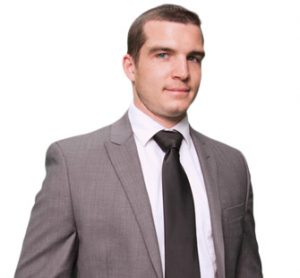
Our job is to build community… Fundraising is a means to the end…and the end is about strengthening the Jewish community.
Transcript:
This podcast was transcribed through a third-party application. Please disregard any misrepresentations.
Brad Caruso:
<silence> Welcome to Civic Warriors, brought to you by Withum. On this podcast, we bring the conversation to you, sharing, engaging stories that motivate and build consensus in the nonprofit community. This podcast is about the innovators, the leaders on the front lines of adversity, guiding lights in the nonprofit industry affecting change. And through their stories, we can all join forces to become civic warriors.
Brad Caruso:
Hey Warriors. Welcome to today's episode of Civic Warriors, brought to you by Withum. I'm your host, Brad Caruso, leader of Withum's not-for-profit practice. Today's guest is Jason Shames, CEO, and President of Jewish Federation of Northern New Jersey, a 5 0 1 C3 not-for-profit organization. The federation's mission is to bring people together to create a safe, welcoming and connected Jewish community and to support those in need locally in Israel and around the world. The Federation works to build a vibrant Jewish community and a bright Jewish future. Their resources give us access and opportunity to secure and support the community and provide relief in times of crisis. They advocate support Israel and combat antisemitism with partners in law enforcement and elected officials. They focus on the needs and issues of the entire Jewish community. And today we're gonna delve into this with Jason about what a federation is, what they do, what are some of the issues that the Jewish Federation and the community as a whole faces, and talk a little bit more about
the great work that they're doing over there. So, with that said, Jason, welcome to the show.
Jason Shames:
Thank you. I'm honored to be here and I really appreciate the opportunity.
Brad Caruso:
No doubt. So, where I wanted to start off, Jason, is maybe provide, if you can provide a little bit of background, um, on yourself, how you arrived at the Federation, and talk a little bit about your journey to get there.
Jason Shames:
Thanks. I'll keep it short 'cause I kind of got into it by accident. Like I didn't really know what Federation was as a kid, even though I grew up in a, in a Jewish household. Like I went to Jewish camp, I went to Jewish private school until I was in high school. And then I went to public high school on college campus. I was mildly involved in Jewish life per se, even though I had a lot of connections to it. I wasn't overly in involved in it. And then between undergrad and grad school, I went to Israel for a year to live on a kibbutz, which is like a collective sort of community. And I sort of fell in love with Israel, became a Zionist. I understood it a lot differently. I came back to the States and I enrolled at grad school, at the business college at the University of Arizona.
Jason Shames:
And I was sort of more interested in doing government community work, but my focus was always on Middle Eastern policy. And I wound up, even though I was in the the business college, I wound up with an MPA versus an MBA, even though we took the same basic economic accounting and whatnot classes. And when it came time to do our, like graduate thesis, for lack of a better word, I did it on an organization based in Israel called the Jewish Agency for Israel, which is the largest Jewish, not-for-profit on the planet. And I think because of that, my advisors routed me to, um, an organization in New York at the time called UJA, or Council slash Council Jewish Federations had an interview. And before you knew it, in the late nineties, during a difficult time, I got a job working in Miami. It's something called the Greater Miami Jewish Federation.
Brad Caruso:
Oh, awesome.
Jason Shames:
Ever since then, yeah. I realized the great work I was doing, I could make a living make a difference. And so that began the path.
Brad Caruso:
What made you move from warm weather climates like Arizona and Miami to, uh, the great state of New Jersey here? <laugh>.
Jason Shames:
I mean, I actually grew up in the, in New York and the Bronx. Okay. In Rockland County. But for me it was about career opportunity and growth. Unfortunately, with our system, there's a hundred and at the time, 180 federations, it was awfully hard to move up quick enough for what I wanted. 'cause I had grown a family. I wanted to raise my income and quality of life. And so the opportunities were always to move. So I went from Miami to, to Boca, which is called South Palm to Washington, DC for three years. And now I've been here for 15. And I couldn't be happier there, although this winter I could live without.
Brad Caruso:
I think we could all uh, we could all use, use a different, uh, climate for a little bit. I I felt like it's walking through Antarctica half the time. I'm like, oh, the ground's frozen. Nice.
Jason Shames:
It is brutal. I mean, it's still like a foot of snow.
Brad Caruso:
Yeah, no doubt. So with that said, you know, obviously working within the Federation for many years, why is the Federation important to you and why is the work the Federation does important to you and the mission of the Federation?
Jason Shames:
So I think what makes the Federation unique, and it's a hundred plus year history as a system, is that it was the one place to bring the entire Jewish community together. Whether your priority was a hundred years ago, the in gathering in, you know, immigration and inculturation of the Jewish community to Jewish education, whether it's camp or, or schools or whether you were interested in feeding people or supporting global Jewish life. Like it was one place where everyone can come together and have a voice. And so I really liked that it was involved in almost every aspect of Jewish communal life and not just like a singular path, right? So we have a very broad perspective. We try to be as representative as we can be. And quite frankly, we have connections and affiliations from people who do have, you know, more specific interests. But that's what makes it great when they come together. It's a really community collaborative process, including how we define priorities, the work that we do. And it's changed. It changes all the time. And we have the ability to adapt. And because we have a network of agencies that we support work with, fund in any way, shape and form, we're able to meet needs as they're evolving and emerging. So I think that's a pretty cool thing for us to do as a people considering what goes on in the world.
Brad Caruso:
Yeah, without a doubt, especially in the not-for-profit community. You know, the term partnership isn't used enough, but, you know, the Federation acts as, as that partner to so many agencies and really is like a super connector on a variety level as well as, you know, a fundraising arm to a large degree of helping to support many of the causes in local programs that exist. So yeah, it certainly serves a significant need.
Jason Shames:
And, and by the way, we do it with the non-Jewish world too, right? We work with other groups quite a bit, right? The AAPI community, the Indian community, the, the Black African American community we work with. So it's not always only about us. When I say we partner, it's broad, even, you know, with elected officials we partner with. 'cause someone's gotta do some of the work on the legislative side. And no, it's a, it's a pretty nice spot to be in. I'm, I'm pretty pleased with how it's gone for me personally and professionally, how the organization does it.
Brad Caruso:
Love it. And if you were to define, I guess, a couple of the key programmatic activities that the Federation does, what, what would be the, the key areas that you focus on? Um, I know you have a big meals program and I know several others, but in your words.
Jason Shames:
Yeah, so look, there's a couple, you mentioned the meal program. Thanks to the federal government and the Older Americans Act and all that, we're able to get a couple of hundred thousand dollars towards feeding people, right? Nutrition is a big thing, but because we want our program to be more than just about food, we want people to be more in touch with our programs and services. So if someone has a need, whether it's mental health or a physical need, we have a whole system to support it. We throw in almost another million dollars for our program. We have social workers at the meal sites and things like that. 'cause caring for the elderly is far more encompassing than just food. But the nutrition part is obviously a critical life support need. But if someone were to, God forbid, fall out their house, you know, fall out their home, having a social worker who already knows them is actually a benefit for the, for the individual themselves.
Jason Shames:
But it's also, um, easier to get them into the networking system and financially turns out to be more affordable according to the, to government statistics, right? Like the worst thing that can happen is we first come into contact with someone when it's an emergency and we're trying to, to get them at an earlier point than when it's a crisis. So that's one of the programs I was particularly pleased with. Two recent emergencies. The, uh, the COVID crisis hit our community very hard. We raised millions and millions of dollars to help with those, you know, sort of those needs. And then coming out of that, we got hit with the October 7th and Israel emergency crisis, and we raised, what, $9 million? Most of it going from mental health and trauma, right? Federation is funding people on the ground. We're not funding government stuff. You know, we're an apolitical organization in that sense. But when the Israeli people were hurting, we had to be there. And we set up funds for trauma support for women who were abused, right? All the orphan parents, you know, it was very difficult when the entire country was mobilized, leaving people at home. And, uh, you know, youth programming came to an end and things like that. So those are some of the initiatives I'm really proud of in terms of like the bigger ones. Yeah.
Brad Caruso:
Yeah. Love that. And we, we've done a couple, um, a couple of our most recent episodes that we've done talked about that, about, you know, organizations like yourself, especially that, um, are able to, when a crisis does occur, able to quickly, efficiently, and effectively get dollars to the people that need it most. And I think that's, you know, one of the, uh, things that a lot of people in the public don't always realize is, you know, how easy is it to get a dollar from your bank account to an individual that's experiencing that crisis? And it, it's not an, especially internationally, it's not an easy thing to do. So
Jason Shames:
We always say the reason why we're able to turn the switch like that is because we're on the ground every day in an ordinary situation in day-to-day activities. And so when a crisis comes, we already have the resources on the ground to go to. So you talk about what happened over COVID when everything shut down and these seniors who were going, for example, to congregate meal sites were now home bound. It didn't mean that they didn't need food anymore. It just meant that we had to get the food to them differently. And we are able to adapt, thank God. And we were able to deliver, we deliver over a hundred thousand meals a year. And when I mean deliver, I don't necessarily mean like door to door, but I mean, we feed a hundred thousand meals and we were able to continue that pace over COVID, which was pretty remarkable. And we have some incredible agencies like the Jewish Home, Jewish Family and Children's Services and the JCCs that are our partners, right? I like in Federation sometimes to the BASF commercials. Like, we don't make the product, we make the product we use better. And that's sort of our role when we talk about delivering meals. Federation works with partners who provide those meals, but we coordinate, we run with the government grant and, um, we're sort of the checks and balance on it. So it's a great position to be in, especially when you see it working.
Brad Caruso:
No doubt. Yeah. Complete. Couldn't agree more and, and appreciate the, um, you know, commentary on, on the work that many of the agencies you work with do as well. I think that's, that's important and, and your role in, uh, facilitating that and making that happen.
Jason Shames:
Because we're, we're a system, we're like an ecosystem. I don't like using that word 'cause people have abused it to <laugh>, you know, to the point where
Brad Caruso:
I so so is every word in the English language these days, you don't
Jason Shames:
<laugh> ecosystem. But yeah, we're a system when I talk about the Federation, okay, we're a 5 0 1 C3 that's working with all these other 5 0 1 c threes to get this work done, right? We help provide professional development and resource management and all these other things we do for agencies. Even at times we act as fiduciaries if agencies need help, right? It's a pretty remarkable system that we work with considering we count about 125,000 people living in Jewish households. And that's our service market, right? So we need a way to touch them. We have 80 something synagogues in town. We have 14, 15 day schools, depending on the day, right? Camps galore. It's, um, it's an incredible system and structure. And we sit at the center of that, and that's kind of a nice place to be. It
Brad Caruso:
Is. And it serves a vital role. And, and so on that point, and obviously being the CEO of the company, you're a busy person. You have a lot of responsibilities, you're out and about all the time. What is the day in the life of a CEO of a federation look like? It's
Jason Shames:
Funny that you mentioned that. I, we had a management team meeting yesterday and I viewed my role, my main role is I do what I call goals and objectives, which are the overarching things we wanna achieve in this calendar year. And I charge my management team with developing the strategies and tactics to meet it. But a part of the strategies and tactics are what affects my day-to-day life. And I've now gone through four phases here. Like phase one when I got here was I had to clean this place up. I was acting more like a COO than a CEO, but I never lost sight of what I wanted to be, which was sort of the face, the voice and the external person. So once I cleaned that up, I had to stabilize the organization. That was phase two, right? Went from cleanup stabilized to crisis.
Jason Shames:
'cause that was now COVID and the Israel stuff. And now I'm in phase four, which is the place I really want to be, where it's, I am the face, I'm the spokesperson, I'm the communicator. I set the vision. I truly set the goals and objectives and my incredible staff handles implementation and execution. You know, like I'm kind of funny now I delegate to the point where I don't even wanna know. We were talking about, I could, no one can see there if you can, in the document that I use <laugh>. And I'm like, I need underneath each objective, I need a bullet or two on what you're gonna do, strategy or tactic wise to achieve it. And someone starts talking on step, they're <inaudible>. No, no, no, I don't care who's gonna do it. I just wanna know how. So the day in the life of Jason now is spent working on very high level activities.
Jason Shames:
Most of our major donors, I communicate our Federation board leaders and presidents who are amazing individuals who get selected to be my chief partner on this, have unique insight and vision. And we are focusing on like any CEO of a for-profit organization. How do we get from where we are now to where we wanna be? And if you ask our auditors and other people who know what our numbers are, you will know that in the 15 years that I've been in my job, we've actually grown quite a bit. Remarkably. So when I got here, we were hemorrhaging and now we're not hemorrhaging anymore. The number of major donors that we have has grown, meaning people who give to us major dollars annually has grown. And I think our influence in the community, I call it the old Howard Stern, curating like how well you're known and your sort of popularity has gotten much better. And that's because I've been able to really, the day in the life of Jason is I've hired good people directly underneath me who have freed me up to be the outside Jason, which I actually love. I I mean, I've spoken in Trenton a gazillion times at this point. I interact with highest level officials in the state and in Israel and elsewhere. And it's now like I'm finally like bearing the fruits of the hard work so that the job is what I want it to be. And I think what my leadership is like excited about,
Brad Caruso:
I love every minute of everything you just said. And my, my journey here at with them has been pretty, pretty similar from a, going from, you know, stabilizing environment to growth mode to then crisis mode with COVID and everything else that, that, that came with that. And then now you're at a point where you surround yourself with the right people. You vision is what's driving, driving the ship. And then you're able to do the things you like to do. And that's the same with myself too. Like, I love doing these podcasts, but if I'm signing audit reports all day, I can't be doing these podcasts. But at the end of the day, you know, I, I both are mutually, mutually relevant to the job. But the only way that it happens is by having excellent professionals. And, and I've been super fortunate to get a lot of like really solid professionals around me that run the ship, that make things go very smoothly. And uh, you know, and then I'm the one that shakes hands and kiss babies and moves on <laugh>.
Jason Shames:
Yeah. But it makes a world works great difference having staff. A hundred percent
Jason Shames:
You can trust and delegate to. One of the things that struck me early on, I'll just tell you like this is a 15-year-old Jason thing, is like, if I went away for a week on vacation or if I was working in Israel for a week or two, they always were like, well who's gonna be in charge when you're gone? And I'm like, no, the management team is a collective, they'll do it. Right. If you have a problem with, um, agencies or whatever, call Lisa if you have a problem with fundraising call whoever was in charge of fundraising. Like, and by the way, there is this thing called technology <laugh>. You know, these iPhones do work overseas.
Brad Caruso:
Yeah. It's so funny how emails work in seconds around the world. <laugh>, it's amazing. Like
Jason Shames:
Can be in Ethiopia and Foothills and Ethiopia right. <laugh> our Jewish history there and Right. But it's, it's nice. And I don't get involved in other personnel issues anymore. It's uh, it's really like a credit finally to, like I said, the staff that I have now that I didn't have years ago. And I shouldn't 'cause I always had good staff, but it was a place of the organization, right. My management team, if you wanna really talk about it, I think there's, uh, including me, there's seven of us and I think five of us have been with the organization for at least 15 years. And every one of them I promoted into it, right? And so the two positions that have changed over quite a bit are fundraising, which is the hardest part of a not-for-profit. And my CFO position has changed over, I'm on the third one really in 15 years. I had one tap in there, but I, I'm on my third one and the first one left for a much bigger job. You can't argue with that. The second one, who I loved and adored wasn't Jewish left for a much bigger job. I still speak to both of them, mind you. And my new one, God bless him, commutes from Brooklyn and is doing a great job and is now I think almost five, six years in the job. So that stability is critical.
Brad Caruso:
It is. And I, I love the promotion from within concept. That's a big, you know, especially in public, like our profession, public accounting, it really is important. 'cause the individuals that get into those roles not only have the, the right training, education and understanding of the way the culture works, but also they're, they have that opportunity to rise up to the occasion. And, and then as you said before, make the ship the way you wanna make the ship. And I think that's an important aspect of being, of being a leader in general, is you have to have that opportunity to shape things the way you want. Otherwise you're just, you know, you don't, it, it's hard to grow into that role if you can't make it what you want. So I I I really value that.
Jason Shames:
Yeah. And it's very tricky in a 5 0 1 C3 very tricky because you're working for a board. Mm-hmm <affirmative>. The people on the board are not experts in the field per se. They're committed, they're caring, they're passionate, they're generous. They're, they're brilliant in their own right. But this is not the work that they do. And they have to thank God, thank God they gave me the latitude to do things a little bit differently here to affect change. Not all of them wanna do it. I mean I had a very challenging situation when I started here. The board was 120 members strong, which is an enormous board.
Brad Caruso:
That's enormous. Yeah. <laugh>. And there were people trying to get that majority on a call. <laugh>
Jason Shames:
Majority, I think eight of the 120 were no longer with us. Right.
Brad Caruso:
Right.
Jason Shames:
<laugh>, I'm not kidding. And we had to make this change. And my first board president, now they're called board chairs. 'cause I updated the bylaws to be consistent with New Jersey state law, which is just another incredible accomplishment. Um, his uncle was the person I who came before me, my predecessor. So I was telling them and at one point I lifted him and I said, David, you can't change just the CEO in this organization and expect the organization itself to change if there's a real lay pro partnership. We have to look at the lay leadership side of it. And the board is a real albatross here. The people we wanna show up for the board don't show up. The people who show up are, are chairs of committees who are giving reports to people who don't know anything about what they're talking about. And then they have a <inaudible>, right?
Jason Shames:
They have the question. Right. You know, the questioning ability. So we changed it and we reduced the board to 40. We put giving levels in. We had criteria and job descriptions put in, you know, you had to show up, I think it was six meetings a year at the time. You had to show up for at least four of them. And it started to really make a difference. And my leadership started to really appreciate it. And while we lost a couple of people in the process who were not happy, happy, we gained more than we lost. And that, so that really helped propel me and the organization forward more than people I think realize
Brad Caruso:
It's a valuable, valuable insight that the not-for-profit community as a whole should take away. Which is, you know, all these parties need to work efficiently together. And you need to have the right individuals not only in your leadership team, but your board is your leadership team to a variable degree. 'cause they're also driving the vision and the governance of the organization. And, you know, if they can't hold you accountable and you can't hold them accountable, it's hard. And 120 people is, you know, that's, that's untenable, you know, <laugh>.
Jason Shames:
Right. But everyone saw it as like an honor, right. And privilege. Except by bylaw you got a lot more power than honor. Right. And privilege. Right.
Brad Caruso:
And responsibility. Yeah. There's a significant responsibility of being a board member, especially that, you know, all those read in public news articles right now, you, you know, you know those, those boards are sweat. And the ones that are in the public news where their CEO is stealing hundreds of millions of dollars, <laugh> like the board is the one that the fingers are gonna get pointed at. I don't
Jason Shames:
Know how people do that. Ah. I mean,
Brad Caruso:
I don't know. I'm not
Jason Shames:
Even talking about the co I'm talking about like cognitively, how do you, you you do it. I, I just wouldn't even know where to begin on that. But
Brad Caruso:
Small justifications lead to big dollars
Jason Shames:
<laugh>. But I also think like different not-for-profits have different board structures and governance models.
Brad Caruso:
Oh yeah, exactly.
Jason Shames:
You know, hospitals and university boards don't operate the way a community federation board does. Right. They're not as in the day to day, they're not like, they're basically told, this is what we're doing, this is what we need you to do. I don't function that way. My, my board chair and I and the leadership, our officers, we talk about the things that we wanna get done together and ways of managing it. And then I help get it going. Right. I bring a lot of issues to them. 'cause that's my job.
Brad Caruso:
Yeah. That's what I mean. That that that collaborative relationship between the CEO and the board is a, is a very important one that
Jason Shames:
I value it and I know they value it big time.
Brad Caruso:
Definitely. Yeah. Yeah. And you're help, you're helping them by being proactive about bringing issues to their attention and saying, Hey, let's talk about this. Let's, let's find solutions to these things. 'cause I know that this could have a, a, an impact on all of us. Let's, let's talk about it now. I mean, rather than a board just saying, oh, this is wrong, that's wrong. Do this, do that. I mean, at the end of the day, that that collaboration is what makes a, an efficient organization as a whole. Yeah. We don't, so it, it's important.
Jason Shames:
Thankfully we, we are good. And regardless of who the board chair is, there's continuity. We named them a year in advance. 'cause remember every two years I'm dealing with a different individual who is the chair of the board who has a different background, maybe a different focus, a different interest. But what we've done is we've built it as a team concept here. So our board chair works with me and the, you know, the officers and we sort of define and narrow down as a group where we're going. So the continuity stays the same in not-for-profits like ours that I see that are failing a little bit. There's no continuity. Someone steps in and, and assumes that their role is A, B or C and they're doing it unilaterally or they're dictating it. You kind of get off the rails a little bit. And you know, I, uh, I learned something early on.
Jason Shames:
My son, God bless him, even when he was like five or six years old, was a competitive triple a ice hockey player. Mm-hmm. Right? So I was talking to his coach one day, really good guy. One of the, one of the best coaches he had for like four years until they grew out of it in middle school. And he basically said like his whole way of coaching the team was to manage against the chaos of the parents. Hmm. Right. And it's an important lesson for not-for-profit execs. You have to manage against whatever that chaos is. And for me, chaos would've been having a disjointed leadership team or board that was constantly changing the way we operated and function.
Brad Caruso:
I volunteer in a, in my fire department and I always, I always, uh, equate my role as, you know, practice leader of the group is I I put out fires literally and figuratively on a regular basis. <laugh>. Yes,
Jason Shames:
You do
Brad Caruso:
That's that's it. You know?
Jason Shames:
Yeah. So you're good for you. That's, I didn't know that.
Brad Caruso:
Yeah, it is. Yeah. It's, it's good job.
Jason Shames:
It's used into your work and home schedule.
Brad Caruso:
Middle of the night. I'm a big middle of the night responder. So we don't sleep at the, as a volunteer, we don't sleep at the firehouse. It's a lot of, you know, we drive from our personal homes to there to get on a truck to then respond to something. So the good part is that I don't, I, generally speaking, other than, you know, major catastrophes, like major storms, we're not, you know, living there or staying there for any period of time. It's, it's on an as needed basis.
Jason Shames:
But what did you do, I guess I'm flipping the podcast script, I'm interviewing you. What did you do when you got you all that snow recently? Did you, you didn't have to stay?
Brad Caruso:
We, we stayed, I was at the firehouse from 6:00 AM until 6:00 PM and we were driving around, we have a, a, a plow and a pickup truck and we were driving around like plowing out things and um, thankfully we had no major fire calls 'cause everybody was home. So the good part is that there wasn't a, uh, a lot of, there was actually no chaos. There was no major accidents or anything like that. So, but we were, we were there like ready to go and prepared and, you know, all of the, you know, as a volunteer group, the funny part is like how prepared you have to be for like, anything that can happen. Like you're like a sw how will a match, you're like a Swiss army knife as a, as a volunteer in a, in a fire department or an EMS, you're a Swiss army knife.
Brad Caruso:
It's like, you don't, you know, it could be a a, a gruesome car accident or it could be a house fire or it could be a water rescue incident. Or it could be, you know, the old adage of like cat in a tree. Like, it, it could literally be anything that you're responding to. And you have to like really think on the fly of like, all right, how do we respond to this? So a lot of it is just us, you know, training. We train every Monday from seven to like 10:00 PM And uh, a lot of that is kind of what drives our ability to be able to respond to anything. 'cause you know, how can you just take, like, this guy's a cook, this, this gal is a, you know, accountant, this person's an attorney, this person's an insurance agent, this guy runs an IT company and we all get on a firetruck and go respond to a fire. Like how does that work functionally? Well it works because we train on a regular basis. We know what the ideals are. We have standard operating guidelines. We know exactly what our responsibility is and then we all just have to use our brains for whatever the scenario is. And you know, do we always have the right answer? No. How could you, but we show up and we try to fix the problem. It's crazy.
Jason Shames:
I'm impressed. 'cause you also have like a wife and kids and you have a job and you probably don't get thanked enough for doing it. So
Brad Caruso:
My wife's not happy about it. But you know, <laugh>, no, but
Jason Shames:
Look, I say like someone when people gimme a hard time and they don't anymore about Federation, I would say like, look at us as like the Jewish government, right? Like if someone had to think about putting a street light up somewhere. Right? Right. If that streetlight wasn't up, people would be getting into car accidents. Exactly.
Jason Shames:
You
Jason Shames:
Ever stop at a stoplight and say, thank god someone in government and my taxes paid for the stoplight.
Brad Caruso:
Thank God the stoplight works
Jason Shames:
Because Federation is the stoplight. Yeah,
Brad Caruso:
Exactly. Well, exactly. And the funny part,
Jason Shames:
That's the BASF analogy, right?
Brad Caruso:
A hundred percent is
Jason Shames:
They call 9 1 1, you show up, you get the cat out of the tree, but no one thinks about the impact of your time, your job, your training, right?
Brad Caruso:
What if we didn't have a group of people that bought the ladder? <laugh>, there's so many like little things in life. Uh, yeah, I I thinking of like wacky stories, not, not turning this
entirely around, but, uh, there's a guy in my, in my office and he goes, so you guys, you know, use ladders and go on, you know, go get things all the time, right? I'm like, yeah. He's like, why is it that when I go on my roof with my ladder, it's so hard for me to get off the roof? And I'm like, well how high do you raise the ladder above the roof? He's like, what do you mean? He's like, I just put the ladder against like the gutter. I'm like, no, you gotta raise it like five or six rungs above, above so that when you get back on it on the way down, you can actually grab it up top and then put your feet on it. He's like, wow, that like changed my life. I'm like, see, you know, there's, there's a value to us.
Jason Shames:
That stuff should be available on YouTube doc,
Brad Caruso:
Right? Yeah. Yeah. Little little. We should create our own TikTok channel or raise some donations.
Jason Shames:
You do PT?
Brad Caruso:
Yeah. One day. But, but it's like, it's like funny things like that that the fire service taught me and, and I apply so much. You know, you're talk about like leadership and how you kind of apply things to it. You know, you mentioned your, your, uh, son's hockey coach, things like that. I apply so many practical principles from the firehouse to my day, my day job leading a big group of people because it's so relevant of like training, uh, you know, having the right equipment and the right, uh, committees to do certain things. Delegating responsibility, giving people opportunity to step in a role. Like all of those things. Having standard operating guidelines. I mean that, that doesn't translate everywhere. But I can tell you that like when you take that and apply it and say, Hey, here's how you should be working with a client. It's not technical stuff. It's just, here's some basic things about how to make things go well. Uh, it goes a really long way in, in driving the success of a business. So
Jason Shames:
It's funny how you say that because I have not done, first of all, most of my colleagues and my peer groups have more Jewish communal degree background, academic background and training. I'm knowledgeable in Jewish stuff 'cause I went to Jewish day school and camp mm-hmm <affirmative>. And I lived in Israel for a bit, but I come from like the business college mentality and people here, even now today I have five staff members coming home from Arizona that went to a continuing ed thing done through the Jewish world and environment. And I'm not such a big fan on it. And people like look at me like, how could you not support that? So I argue that I take my leadership cues and my professional development from other sources. And I'm a history major and I'm a history bob. So I'm gonna tell everyone who's listening to this right now, three things that have influenced how I go about management.
Jason Shames:
One is a book called The Admirals, which goes through all of the four star admirals in World War ii. And just reading the book, you realize how differently each one acted and what they were facing and how they did it. So it's Nimitz Halsey, it's those guys. Mm-hmm <affirmative>. And I took a lot out of that. And because of that I read a second book, which was called Hubris, which studied mm-hmm <affirmative> three different leadership mistakes, right? That people got overly confident and they kind of messed up. And one of them, like for example, talks about what gave, why Japan attack Pearl Harbor, what we all know is the oil, the economics and whatever, and all the stuff that goes into it. But they were overly confident 'cause of their victories in World War I and previously in Russia. And they made the super mistake of, you know, attacking America at the wrong time.
Jason Shames:
But I take from that different leadership models, but even something sillier is, I watched a show called Air Disasters on the Smithsonian channel where they dissect aircraft accidents. It's like really more of investigation as opposed to like the aircraft. The plane is the, the means to the end. But there was something once out of, um, a simple airplane. There was a crash because there was a landing light on a flight that was landing in Miami, a PanAm flight in the seventies where the light showing that the landing gear was on was blinking or, or it was off mm-hmm <affirmative>. And so they couldn't figure out, and there were three pilots in the plane. None of them paid attention to speed and altitude and the plane crashed and hundreds of people were killed. And from that came out this idea of management that was called CRM, crew Resource Management. And it was about delegating, it was about communicating and things like that. And I, I started thinking to myself, these are things in ways that help me do professional development and management that people wouldn't ordinarily take into account. And it sounds silly, even me telling you these three things sounds silly, but it's been incredibly helpful for me. It's about delegating, it's about communication, it's about leadership style and conviction. And in the end, those three things drive me. And I don't think it's any different from you with the fire EMT stuff.
Brad Caruso:
It's no different at all. And, and I, I appreciate you bringing that up. And I always love hearing what people read and what they're passionate about. And I, I too am big into history and reading and, and a lot of the, it's funny, but I, I've developed a lot of leadership understanding and guidance from a lot of the, the military community. Like, similar to a couple of the books you mentioned, there's a couple out there called like one I read all the time called Make Your Bed. And it's, you know, 10 things of just like, you should just think about on a day-to-day basis, really simple things like if you make your bed in the morning, like you accomplish a task for the day and then you, you feel accomplished. So then like you move on to the next task and you move on to the next task.
Brad Caruso:
And I was like, wow. But yeah, I did that, uh, a book called Extreme Ownership and I, I preach this concept of extreme ownership and if you get all of your employees just to buy into the concept of ownership, but all of that, yeah. Like if I read an accounting textbook, it doesn't help me a wink to, to run, run what we do at all. It's those little intangible, it's those little intangibles of managing people, of dealing with conflict, of managing stress, you know, all of those things. For anyone that is a leader looking to be a leader, I, I really, really think that you can glean a lot from reading outside experiences that are completely outside of the field that you're in. And it's important to understand the field you're in too. So I I, you know, I do, you know, like in the fire service, like we have to go to fire trainings and we have to understand that.
Brad Caruso:
But also the leadership side of it is not necessarily the fire training stuff, but there's chain of command stuff. Like how many people can one person effectively oversee. And I, you know, at some point I looked at my model, I'm like, so lemme get this straight. I have 48 people reporting to me. Like that doesn't make, it's not possible. Like I can't effectively manage 48 people. I can manage five who then manage that 48 people. 'cause you can set up the hierarchy the right way. But man, when I roll into a role like that, I was like, huh, that's a good principle. I need to apply that immediately. And then you apply it and then things start going better. And to your point, you're successful in the role you're in for, you know, several years now 'cause you helped evolve it, but you brought those outside forces with your leadership style and your management style, which then helps support how you make the overall organization functional and and thrive. Yeah. It's, it's good to, to hear
Jason Shames:
At least. I hope so. I mean, that's what I endeavor to do. And actually we have the exact model you spoke about here. I think I have, I'm one I supervise sticks and they supervise 48 mm-hmm
Brad Caruso:
<affirmative> a hundred percent. Yeah. Yeah. The, the, the, the concept is a military concept called span of control. And no one person can supervise more than five to seven people effectively. So when you're setting up a hierarchy or a chain of command, you need to set it up that way that, you know, you supervise five people and then each of those people supervise five people. Well now you, now you've covered 35 people in the organization. Yes.
Jason Shames:
The opposite
Brad Caruso:
25 people. I didn't add
Jason Shames:
The opposite pyramid scheme. <laugh>
Brad Caruso:
Were <laugh> not the other way around. Yeah. Uh,
Jason Shames:
We, we still try to have fun. That's the other thing I always say, like, oh yeah, you want the job, you gotta have a little bit of fun doing it.
Brad Caruso:
You have to. Yeah. If you're running an organization and you're, you're managing an organization, especially one that's, you know, I mean you have, you have more than 50 employees. We have, you know, we have thousands of employees over here. You know, if if you can't make your day to day have some level of enjoyment to it, then it's not gonna be enjoyable. And it's like a simple thing. And then I, I tell even our staff that just start, I'm like, do you know that it's up to you to help make it fun? Like, like, you know, Brad's gonna come in here and bring in donuts. Well maybe you don't like donuts and May. And then you're like, like, oh, this guy doesn't understand me. Well why don't you tell me what you like and why don't you go execute on it? Like it's, it's not a hard principle, but giving the ownership to them to say, well, why don't you make it fun? And then people either say, yeah, I'll make it fun. And then they love working here and they work here for 20 years or they don't and they leave and it's like, yeah, well that's part of the ecosystem like that that has to happen.
Jason Shames:
There's nothing you can do with turnover. You know, the, the hard I think the hardest part for me in my job now is accepting certain criticism still drives me. I know I'm not perfect, no one is. So I just say to myself, have I moved the organization forward? Am I doing a good job or are you happy with it? Like, if there are things you want me to fix along the way, just let's sit down and talk about it. That's, uh, makes it easier for me. But, you know, it's hard
Brad Caruso:
It's a good principle.
Jason Shames:
I'm the CEO and president, but I'm not the owner. Right. If I own my own business, I could do whatever the hell I please and live and die with the consequences. But this is a community enterprise. We have a, an endowment with 115 hundred and $20 million of assets in it. We can't manage it the way any one particular person would invest it. We have to do it through a communal process. So whenever people get upset with me that we're not aggressive enough in the market, I say nicely, it's not your money, it's collective money. And we have a responsibility.
Brad Caruso:
We have governance policies and we follow those. And it's, and it's by, by elect. It's by the, the voice of our organization, our governance. And, and that's, that's the a really important part about the not-for-profit industry as a whole is that's why that collective relationship between the board and the organization is so important. Because at the end of the day, like they have to be bought into all these ideas and have to be involved in it enough to when those, when those external parties come in and say, why'd you do that? Why'd you do that? Well, we voted on it. We came up with a policy. We're prudent with our money. We manage it in accordance with law. And this is, uh, the decisions we made. Do you have any questions, <laugh>? I I mean it's a very matter of fact thing. Call my auditor. Yeah. Call my auditor. Yeah. Whoever, whoever that person is,
Jason Shames:
I'm gonna get that should be my new license plate. Call.
Brad Caruso:
Call my auditor. <laugh> call your auditor. Yeah. Ask them the questions. So with the Federation itself, I mean, what, what's on the horizon coming up? What's what uh, you know, what do the next couple years look like for you? Um, how, you know, how do you as a Federation, I guess just as generations change and as you know, mindsets of people change, donors change, how do you as a Federation stay relevant and you know, kind of what do you see as your next couple years as as the Federation as a whole?
Jason Shames:
You know, so I, I've mentioned a couple of times like we're flexible and we have to be adaptive because needs always change on the ground and new things come up. So there's a couple of things we're we're really focused on in the next couple of years. We did, coming outta COVID, we did a needs assessment of our community and it was a big project and in the end we came out with four distinct, uh, strategic directives. One was about engaging, uh, the community to increase participation in Jewish life. That's one huge element to it that comes in the form of programming content, improving what we have, adding, modifying, and even addressing communities like Wayne in the PAs, keg Valley that need more direct programming and access for people to participate. A second one that came out of it was about being the, the central convener.
Jason Shames:
The one place where everyone can come together. So there's a diverse view of the Jewish community by age, by gender, by geography, by level of observance. And we're starting to convene those groups. A third aspect, which I we haven't touched on, which is obviously enormous for the Jewish community, is the hate and bias and antisemitism stuff. It's just rampant and we have had to address it a lot of ways and we've increased resources and staff for it, all that. And then the fourth thing is about keeping to our core mission and meeting beliefs. 'cause everything that I just mentioned doesn't address taking care of the elderly or any of the other gaps and Jewish life that pop up, including helping schools thrive and be sustainable. So those four are our strategic directives that we're pursuing. The overriding or overarching aspect of it is that we need to raise money to do all of those things.
Jason Shames:
I always used to say to people, our job is to build community. 'cause they used to say, all you do is fundraise. I'd say fundraising is a means to the end, not the end itself. The end is about strengthening the Jewish community. And I believe with these strategic directives, even though what I just told you was very overarching, we break it down into like specific things we wanna do. And one of them, for example, is the Wayne Jewish community. We are a heavily Bergen centric because of the 125,000, almost a hundred thousand live in Bergen County. But we also service Hudson County. Uh, and we have Wayne and Wayne in my opinion, has been, um, underserved for 20 plus years, even since I got here. And because I've done all the things I spoke about with the stabilization and now the growth. We're doing a special project.
Jason Shames:
We're gonna do a mini needs assessment. We hired a consultant to work in Wayne. We've put a small committee together and we're gonna try and figure out how many Jews really do live in Wayne, what they need and how to give them access to, to Jewish programs and services. If we're talking about engagement and participation as one of our goals and objectives, I'm not gonna neglect the 5,000 to 7,500 Jews who live in Wayne. It's not gonna happen. So that's a major project on the horizon. For example, if we don't step in into it and Wayne no one's gonna do it. And I got a sense it
Brad Caruso:
Speaks to the need
Jason Shames:
Since October 7th that people are pretty strongly now identifying with their Jewish identity, even if they, everyone does it on their own terms. But there's gotta be something we can do there that's more than what we currently do. It better than what we do.
Brad Caruso:
Yeah. And I think it's important that you have that foresight and you know, to both identify what the need is as well as, you know, a plan in place to approach it.
Jason Shames:
Yeah, because we have a whole planning department. Like we have four or five people in the department whose job is to, to do this. And then when we talk about bringing the services together, that's where the partner agencies are extremely helpful. Because if we say we need to expand the meal program in Wayne, we're gonna go to Jewish family and Children's Services or the Jewish Home and we're gonna say, we need you to help partner with us to make this happen. These things take time. 'cause we are volunteers working on it with our staff. But I think demonstrating that we're committed to it and we put $60,000 to start into this project goes a long way to making a statement about the seriousness, how much we're gonna take it.
Brad Caruso:
It certainly does. So from a call to action perspective, speaking to the audience, speaking to the world, what does the Federation need to help the Federation? You know, if you were to, to have, you know, a, a statement on what is it that can help you, how can the public help you? You know, what, what would it be?
Jason Shames:
We really do need financial resource participation. We need two things. We need more dollars on the whole, like we're constantly driving the revenue engine up and we need more people to participate. Those are the two big things and they're hand in hand. But obviously there's a difference between someone who's gonna give me a $50,000 check and someone who's gonna give me a $50 check. But I want it all. I don't mean to be greedy about it, but like I said, that's the fuel to the car and the engine, right? That's what's gonna get us from point A to point B. At the end of the day, without money we can't do it. So we can lay out what it should be and what it should look like, but to make it sustainable, to make it affordable, to make it accessible, to make it something someone wants, we, we definitely need people to, to participate. And there's always room for people to engage in committee processes here. We have so many committees, I almost feel like, uh, Congress itself at times, but
Brad Caruso:
<laugh>,
Jason Shames:
You know, who knows? Like you're laughing, but it's, I think at one point, 10 years ago we did a survey of how many unduplicated individuals participate on a committee year? No, it was like almost 600 now between committee and I and everyone listening, I kind of said, wait a second, there's a cost involved in all that. <laugh>, let's right size that. But it's not insignificant even if it's 350 now. The board alone is 40 people right there. And then we have eight standing committees that have at least, you know, another 10, 15 people each. And most of those are not on the board. Obviously we start to get up in numbers. Our women's philanthropy board is a powerhouse with a hundred and I dunno, 120 women. It's kind of an intimidating room for me, but whatever, I mean these are like real numbers of people getting involved. So I would say if you can give back, give back,
Brad Caruso:
How does one do that? How does one get involved with the Federation? Both from a donation perspective and a giving back perspective or joining?
Jason Shames:
All they have to do is go to our website or contact someone on staff or a friend that they know is involved in it. You'd be surprised when we hear that someone's like a a live, a live taker of bait. How quickly we jump on it.
Brad Caruso:
Responsive, <laugh>.
Jason Shames:
I mean part of why we've done well is because we've improved our personal relationship based fundraising. You know, we call it something fancier than that. But we are very personable and we are about people to people and that's how you build it.
Brad Caruso:
Yeah. And that personal connection, you know, most people give to charities just based on research I've done just from having that connection to the charity itself. And to your point, how do you develop that connection? Well get involved and when you get involved and you start participating in an organization guarantee you'll have more of a vested interest and more of a passion towards supporting that organization as well. In general. Yeah.
Jason Shames:
That's why our volunteer center has been a big source of growth for us.
Brad Caruso:
Massive.
Jason Shames:
It's, you know, like I say to people, it's no different than when you choose a doctor, an attorney, an accountant, a a landscaper, even like, um, your grocery. You go because you have a, a connection and a trust with it. So you go
Brad Caruso:
Without question.
Jason Shames:
All you have to do is reach out to us. I promise you're not gonna be upset. We are apolitical. I always throw it out there. 'cause sometimes people in this day and age with all the civil
discourse are coming with an agenda item that's political at that point. I'm gonna probably say to you nicely. Like, you are entitled to it, but organizationally we get to
Brad Caruso:
Makes sense. Well, this was a wonderful discussion. I I really appreciated, you know, both your time and, and a lot of the, the leadership principles you shared, uh, a lot of the, a lot of the successes that you shared and uh, yeah, just more about how people can support, you know, the organization. Um, I think it's all great and really appreciate you dedicating your time and energy to, uh, to our show today. Jason, thank you so much. I
Jason Shames:
Am so thrilled that you asked me. So thank you
Jason Shames:
Warriors. Thank you for listening. Subscribe and meet us right back here for another episode of Withum Civic Warriors and uh, we'll see everyone soon. Bye everybody.