Driving Innovation in the Workplace: The Power of a Project-Centric Culture
What if your ability to innovate in the workplace and adapt wasn’t left to chance, but embedded in your culture? A project-centric approach empowers employees to lead and participate in projects that drive organizational improvement and enhance their sense of ownership and engagement.
Shifting to this mindset enables organizations to encourage collaboration, tap into diverse expertise and create a structured approach to problem-solving. It also strengthens employee commitment by giving individuals a clear role in shaping the company’s future. When projects are woven into the fabric of an organization, teams become more engaged, innovation in the workplace flourishes and business goals are met with greater efficiency.
This approach offers several key benefits: first and foremost, it can foster a sense of ownership and engagement among employees, who can see their ideas and contributions being valued and implemented. This can enhance their motivation, satisfaction and retention, as well as their skills and competencies. It can also enable the organization to leverage its workforce’s diverse talents, perspectives and experiences, leading to more creative and effective solutions.
Additionally, a project-centric culture drives continuous improvement and employee engagement and innovation, enabling businesses to proactively address their current and future challenges and opportunities. This can increase efficiency, quality, customer satisfaction and competitive advantage.
Instilling a Project-Centric Culture
The journey to instill a project-centric culture is not without its challenges. It demands a strategic and systematic approach that necessitates a shift in the management and performance measurement of people. Key steps include:
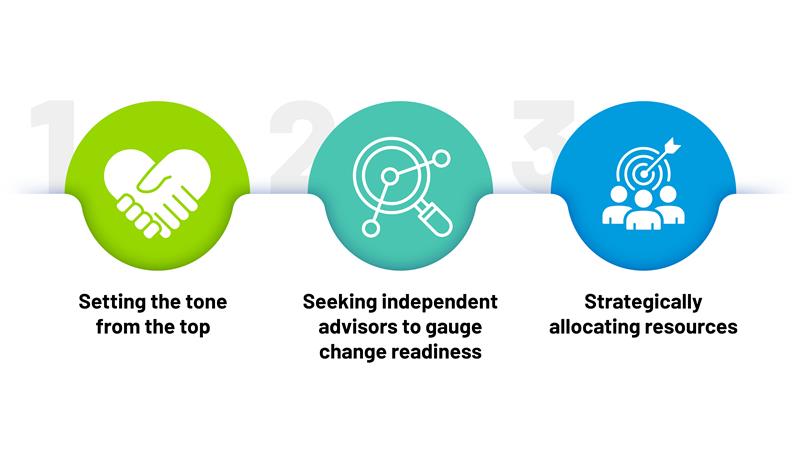
- Setting the tone from the top: The senior management plays a crucial role in communicating and demonstrating the organization’s vision and goals, and how projects align with them. Their clear direction and guidance for project initiation, selection, prioritization, execution and evaluation – along with a supportive and collaborative environment – can make employees feel guided and supported in their innovation efforts. This support can instill confidence and security in employees, knowing that their efforts align with the organization’s strategic direction.
- Seeking independent advisors to gauge change readiness: An external viewpoint can aid the organization in identifying its strengths and weaknesses and the potential barriers and enablers for fostering a project-centric culture. Independent advisors can also offer recommendations and leading practices for managing the change process and overcoming resistance from the existing culture, structure or systems.
- Strategically allocating resources: The organization should allocate sufficient time, budget and human resources for project activities, ensuring they align with the strategic objectives and priorities. This strategic allocation can give employees a sense of security and confidence, knowing they have the necessary resources to carry out their projects effectively. It should also provide adequate training and coaching for employees to develop their project management skills and capabilities and equip them with the necessary tools and techniques. Furthermore, it should establish clear roles and responsibilities and define the expectations and accountability for project outcomes and impacts.
Take the Next Step
Building a project-centric culture is an investment in long-term success. By creating an environment where employees are actively involved in driving initiatives, organizations can enhance innovation in the workplace, increase efficiency and improve overall business impact.
Author: Kim Gordon, MAcc, CSM | [email protected]