Civic Warriors

Accelerating Philanthropy With Rockefeller Philanthropy Advisors

Civic Warriors Episode 79

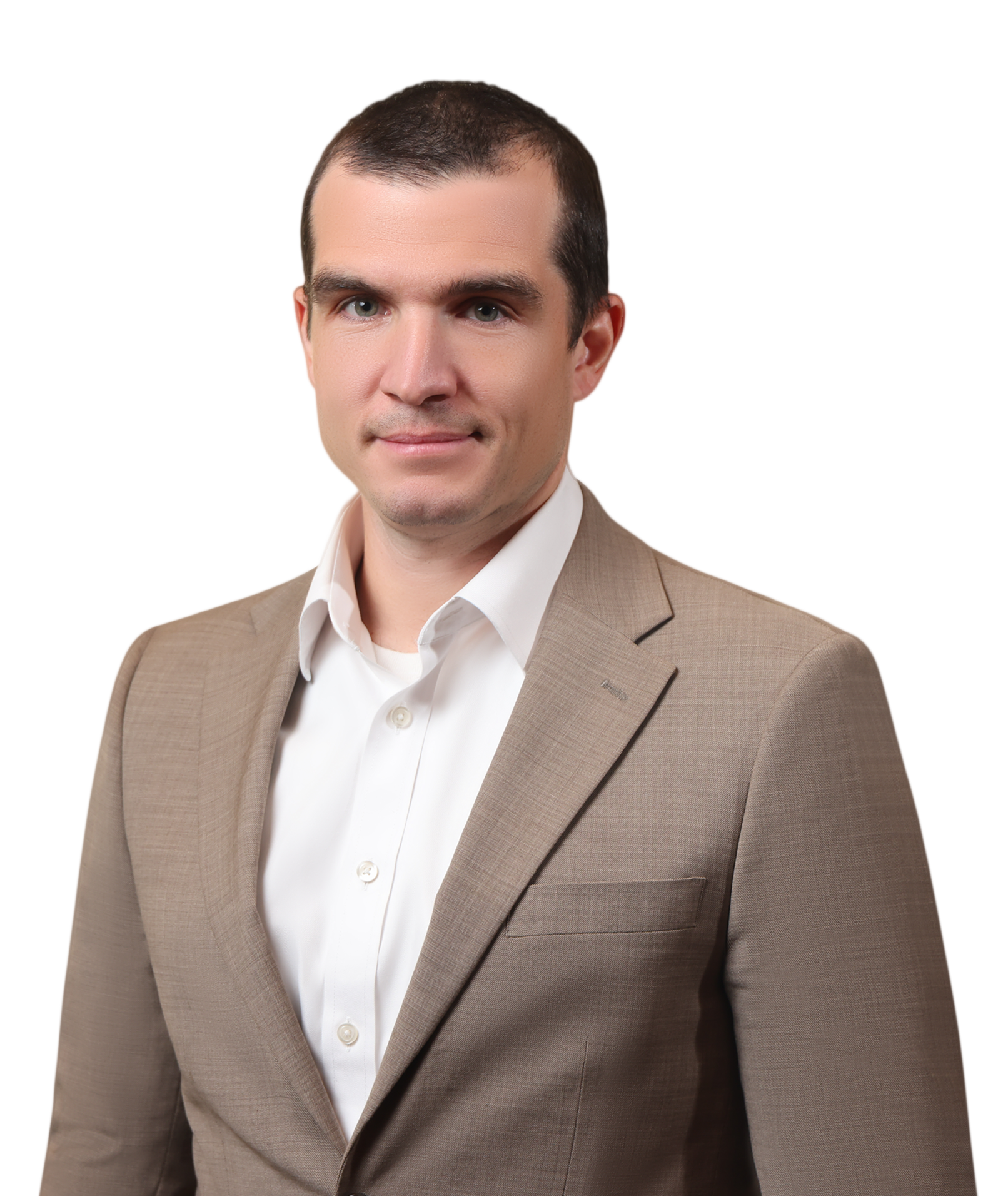
In this episode of Civic Warriors, we sit down with Alik Hinckson, Chief Financial Officer and Executive Vice President of Rockefeller Philanthropy Advisors (RPA), a 501(c)(3) not-for-profit organization that helps donors create thoughtful, effective philanthropy.

Alik shares his professional journey, offers his perspective on what philanthropy means today, and explains how RPA accelerates impact through advisory, management and implementation services. The conversation also explores current trends shaping the philanthropic landscape, the role and benefits of fiscal sponsorship, and how RPA’s “Philanthropy Roadmap” helps support aspiring philanthropists.

Philanthropy is pretty special. It can move fast, it can take risks, and it can
invest in long‑term solutions to really complex social and environmental problems.

Transcript:

This podcast was transcribed through a third-party application. Please disregard any misrepresentations.

Brad Caruso:

<silence> Welcome to Civic Warriors, brought to you by Withum. On this podcast, we bring the conversation to you, sharing, engaging stories that motivate and build consensus in the nonprofit community. This podcast is about the innovators, the leaders on the front lines of adversity, guiding lights in the nonprofit industry affecting change. And through their stories, we can all join forces to become civic warriors. Hey, warriors. Welcome to today's episode of Civic Warriors, brought to you by Withum. I'm your host, Brad Caruso, leader of Withum's not-for-profit practice. Today's guest is Alik Hinckson, Chief Financial Officer and Executive Vice President of Rockefeller Philanthropy Advisors, a 501 (c) (3) not-for-profit. Organization. RPA helps donors create thoughtful, effective philanthropy. They do this by providing advisory management and implementation services for families, foundations, and other philanthropic initiatives by incubating innovative and early-stage nonprofits and donor collaboratives, and by sharing insights and producing publications on philanthropic approaches, strategies, and practices. We're gonna talk today about how RPA helps its donors and clients, and how they strengthen philanthropy in the industry as a whole. And we're gonna talk about a couple of topics related to fiscal sponsorships and other areas that RPA helps. So, with that said, Alik, welcome to the show.

Alik Hinckson:

Hey, Brad. Thanks. Thanks for having me. Excited to be here.

Brad Caruso:

Super excited to have you. I know I've been talking to you for a while about getting on, and I'm happy that I finally coerced you to, uh, to be on the show here. So, where I wanted to start, uh, and where I always like to hear is people's background and kind of how they got to where they are. So maybe Alik, share a little bit about how you arrived at RPA, some of the prior causes you worked with, and, uh, you can give us a full history or a short history, whatever you prefer.

Alik Hinckson:

Try to give you a short history. 'cause as always said, you know, I'm older than I look. And I think Brad, you and I met about 10 years ago at the Rainforest Alliance, right?

Brad Caruso:

That's correct, yeah. So

Alik Hinckson:

I spent the last 25 years of my career at the intersection of finance, operations, and mission-driven organizations. Before joining RPA last year, I worked at Deloitte, one of your, uh, year peers, uh, but also in sort of their nonprofit consulting practice at this sort of dual role of doing for-profit and non-profit consulting. Um, went on to Columbia University, the International Rescue Committee, a New York City based educational organization called Prep for Prep, The Rainforest Alliance, uh, where we met each other and most recently at the World Resources Institute. So, um, and all finance roles, uh, broader operational roles, um, uh, CFO plus plus plus roles, if you will. And much of my work in those places was sort of helping these organizations scale their impact responsibly, building financial infrastructure, strengthening governance, and aligning resources with impact on a pretty massive global scales. We're talking, you know, some organizations that expand to about 60 countries.

Alik Hinckson:

Um, the IRC now is probably about a billion dollar a year organization. Um, and I was their head of international finance there. And, you know, being a CFO in these organizations just gave me a great view into how they work and how essential they are to the world and, and, and how the, uh, the broader nonprofit, uh, sector operates. Uh, so that's a little bit of my background. I won't go all the way back to, you know, when I was born and, and, uh, <laugh> and that sort of stuff. Although a lot of my early history kind of dictates, uh, you know, how I I ended up in this, in this space today. You know, just sort of like what my parents cared about and where I was born, you know, born in Guyana, south America. So like that has always influenced my, my view on the world.

Brad Caruso:

Yeah, I think it's super important. And, and you, you have, you know, certainly in my experience working with you, you've worked with some of the largest of large nonprofits with some, you know, really complex operations. And being in the role you're in is, is obviously a challenging role. But you brought a lot of that expertise both from the financial reporting activity, understanding how businesses operate, but also I I think your, your background, uh, in just what you care about culturally, what you care about in the organizations you work with has helped, you know, what, what do you think drove you to this nonprofit industry as a whole? Or what, you know, just diving a little bit further into it, what, what do you, how do, how did you get into caring about some of the missions of these organizations and, and working with them?

Alik Hinckson:

Yeah, that's, that's a, that's a great question. I'd like to like, give you this origin story where, you know, like, I was born in a field and, and some <laugh>

Brad Caruso:

No

Alik Hinckson:

<laugh> and, and, uh, you know, a lightning storm struck or something like that. Um, I came to the US uh, when I was six. And, you know, a lot of my sort of inspiration for doing purpose-driven work in retrospect has everything to do with my parents, right? My father stayed in Guyana, and he was a little bit of a rebel rouser, you know, really sort of pushed the government's limits a little bit, if you will. And his story is a really interesting story. One day I wanna kind of write something about it, but I spent most of my formative years, or all my formative years with my mother, who was an educator. And, uh, she became really ill early on. And coming outta college, you know, I had no idea what I wanted to do. So one of my very first jobs actually ended up being at a medical center in Brooklyn, right?

Alik Hinckson:

So a place called the Brownsville Multi-Service Family Health Center, uh, working specifically as like their bookkeeper and HIV case manager program. I think maybe folks will remember like Ryan White Act many, many years ago. So that program was funded by Ryan Ryan White, and it was interesting. I mean, this is stuff I can only look back on now, you know? 'cause when I was there, I was just like, you know, I need a job. I need something to do. And, um, what it did for me was really like, and I'm, I'm gonna share something like incredibly personal, which is easier to talk about right now, my mother contracted HIV in the early nineties, and she passed away in 96, right? So it's like 30 years ago. And that program gave me an opportunity to really understand her illness, um, through working with others and, and just trying to get a, a really good sense of their journeys, but also seeing what she was going through.

Alik Hinckson:

And it really sort of solidified for me what I wanted to do. I had no idea, right? And I was trying to figure out what I wanted to study. I'd recently like, uh, come back from studying civil engineering, which I hated <laugh>. Um, and the CFO of this center really encouraged me to study finance and accounting. Um, I ended up going to Baruch, and that made a huge difference in my life, right? So without me even knowing, right? So these sort of, these things that were happening in my life that seemed like, you know, tragedy or perilous or somehow, you know, really depressing, kind of like started pushing me toward this more purpose trip of life.

Brad Caruso:

Thank you for sharing that. Yeah, certainly personal story, but, but also, uh, what I've found in, in most people that work in this industry, uh, it's those personal stories that do drive them to care about the industry, to really care about others. You know, you have to, in order to work in this industry, you have to care about others. You have to have a, a desire to, you know, improve the world and a greater scale than just, you know, my small ecosystem than I live in. And, um, I think your connection to a lot of these, your personal background as well as your connection to a lot of these causes, I think is what helps you be great at your job. And you have a way of talking about things. And in working with you for many years, I know that you express things in a certain way. And I know that it's that passion that, that makes you successful. So it's, uh, appreciate you sharing more about that. I think it's important. That's

Alik Hinckson:

Really, really kind of you, Brad. Thank you. And I would say the same of you. Um, you know, it, it's, uh, and I, you know, I, I know you're, uh, slightly on a different side, but you work with, you know, many, many nonprofit clients, and I see the same. And I also know a little bit about, you know, how you spend, spend, your, your

Brad Caruso:

How I spend my spare time <laugh>.

Alik Hinckson:

Um, um, and, uh, you know, I, I believe, and you know, I've got two, uh, now older kids, 24 and 21. And, uh, you know, I really try to inspire them no matter, no matter what they do. You know, there's nothing wrong with going out in the world and making tons and tons and tons of money, but just make sure that there is an element of it that really kind of speaks to your purpose or soul, or whatever we call it, right? So it's important to contribute to society as a whole. And yeah, that informs a lot of the way that I think about, you know, something as quote unquote mundane as financial management. It's like, it's the story wrapped around the way that we interact in the world we are in interesting times. So I think that, you know, more than ever, we need more and more people doing that kinda stuff,

Brad Caruso:

Without a doubt. Yeah. We're in interesting times. And leave it there. <laugh>. Yeah.

Alik Hinckson:

We'll, yeah. We'll, we'll,

Brad Caruso:

We'll, we have a couple things to talk about. We'll,

Alik Hinckson:

We'll, we'll leave it there. But, um, so, but you, you had a second part of that question. So what drew me to RPA? Um, and, you know, I'll, I'll, I'll stick with the corniness <laugh>. Um, the very first thing is, is the people. You know, we just had a, um, a board meeting last week, and I was just kind of reflecting in the room, the virtual room. 'cause it was a, a virtual board meeting about, you know, what an awesome board we have, you know, chaired by Valerie Rockefeller, um, how brilliant our leadership team is, you know, led by Nic Campbell and Walter Sweet. Those are our co-CEOs. And, and then we, you know, have this really awesome broader leadership team. And that all sort of emanates and trickles down to our core teams, you know, our finance team, our people and culture team, our legal team, our advisory team, and of course our sponsored projects team. I don't know that I've, uh, and I'm gonna get myself in trouble. Um,

Brad Caruso:

Don't get yourself in trouble, <laugh>,

Alik Hinckson:

Because I've worked with some pretty amazing people, uh, many of whom, you know, you know, um, I don't know that I've worked with, you know, sort of a, a, a more, uh, brilliant kind, uh, and committed collective. Uh, I just really love it here. So that was like the first thing that is, that drew me here. And the second is what I have come to understand about RPA, and we'll talk a little bit more about what this means, right? As we, uh, as we discuss things, I'm gonna steal a term from one of my colleagues, right? So this sort of force multiplier is the way that I think we think of ourselves, right? So instead of me being CFO or us being the support system for one organization, we support a hundred charitable projects and hundreds of donors deploying billions of dollars around the world. So we're the sort of legal and fiduciary house for these initiatives, allowing them to really focus on the mission while we provide operational backbone.

Alik Hinckson:

And that's really, uh, and we'll talk more about this, you know, the way I think about fiscal sponsorship and what's exciting about it, right? So the ability to be this leverage point for so much good around the planet. And maybe the last one, I mean, you know, I, I can't ignore the brand, you know, the Rockefeller name is pretty well known and well respected in the space. It's a name you can trust. It's been around for, you know, centuries sort of growing out of wealth and transforming into all these other really important philanthropic organizations. You know, the foundation, RPA, the fund, and on and on. So, you know, it's those three things, you know, the team, the force multiplier effect, and the brand that really have, uh, drawn me to RPA and, and are keeping me here.

Brad Caruso:

Yeah. Love that answer. And, and as, as an aside, you know, for, for everyone out there that listens here about, you know, how do I attract talent? How do I attract the right people to my organization? I think Alik just gave a roadmap for how to do that. You know, this is a people business, and most, most businesses are, especially in the nonprofit world, they're, they're people businesses first. And how do you connect with people? And it, it's everyone in your organization. So, you know, the board's involved with those discussions. And when you're attracting, you know, CEOs, CFOs, high level talent, you know, at the end of the day, you have to have an infrastructure that supports that. And, and a culture that supports that. You know, whereas the board interacts, you know, upper management interacts, you know, and you can tell the tension if there's tension in interview processes and things like that.

Brad Caruso:

And, you know, to your point, you know, the brand. And, and, and it works the same for my business too, and in public accounting. I mean, at the end of the day, when I hire people, I don't ask them technical questions. And, you know, for anyone listening that's trying to get hired by us, I don't ask technical questions. Because at the end of the day, you, you'll prove to me whether you know the technical or not in your first two months being here. However, if you can't work with me on a, on a, on a level that we can get along and we can enjoy the work environment together, then we're not gonna get along. We're not, we're, it's, it's not gonna work out. So it, it's that, that connection and then the, you know, like as you said, you, you joined a, a reputable brand, you know, that's certainly important. Um, joining, you know, an organization that has values and, and that purports those values and, and maintains those values over a very long period of time, which is very difficult to do. Um, but maintaining true to your values, I think is an important aspect. So appreciate that insight, because I think it's, it's often overlooked from what, what I've heard from various, uh, various parties that I've worked with in my career.

Alik Hinckson:

Totally agree. Totally agree.

Brad Caruso:

So, switching gears a little bit, when we think about philanthropy, um, obviously RPA and the business of philanthropy, you know, how do, how do you define philanthropy and, and what are some of the ways that you feel RPA helps accelerate that philanthropy? You just shared, you know, a little bit about it, but, but maybe go a little bit more in depth into how you kind of define philanthropy and what it means.

Alik Hinckson:

Thank you for that question. This is such a big question, Brad. Um,

Brad Caruso:

Oh, I know <laugh>, it's a loaded question.

Alik Hinckson:

It's, it, it's a big question. It's a loaded question. And, you know, I, I've been thinking about it for a while, and it's just, what's really strange and funny is that I was kind of playing around with this idea. And then, uh, recently, uh, one of my colleagues, her name's Theresa Schieber, um, she's one of the advisors, uh, who was like, sort of philanthropic consultants within our organization in February, posted a blog post. It's really about philanthropy as society's risk capital, right? So you could think about philanthropy as generosity of spirit and time and money, but you know, if you want to get a little finance nerdy, it's, it's that, right? So markets and businesses are, you know, supposedly in the world to optimize for profit and financial returns, right? So it's really short term, how much money do you make for, for your shareholders?

Alik Hinckson:

Governments provide this broader structure and framing for public goods, but they're constrained by politics and policy, and can be slow. Philanthropy is pretty special, right? It can move fast, it can take risks. It can invest in long-term solutions to really complex social environmental problems. So, you know, if you think about it in this sort of capital stack, um, I think philanthropy sits right? Sort of, you know, in the middle. It gives space to governments and markets to play in their, in their spaces, but can pick up the slack, um, in, in terms of what societal good, um, and innovation can look like. I, I thought that was like such a powerful framing for me. It's, and again, it's like, it's a little wonky, right? But philanthropy is pretty sophisticated. So I love the turn phrase, the change of language. The way to kind of think about it when you're talking to somebody who has got a hundred bucks to give, or a hundred million dollars to give, it's really about providing that risk capital so that folks who have this passion, these social entrepreneurs can go out and, and make real change in the world.

Brad Caruso:

Yeah. It, it definitely is an efficient, efficient and effective way to drive an impact. And as you said, it could be small dollars, it could be large dollars, and, and that drives the scale of impact that can be had. But, but also, you know, I appreciate that your response there was kind of, of like a financial steward. You are that middle ground of driving, uh, significant change in society and being responsible about driving that significant change in society in a way that the government can't do because of the bureaucratic protocols that are in place in which the private businesses aren't doing because of the profit motive. You know, you're in that in-between space. But we do, in our industry, do view it as kind of a for-profit endeavor from the perspective that you're driving an impact and it will have a financial impact. It just may not be for your organization.

Alik Hinckson:

Exactly. I mean, that, that financial impact, that ROI that return is, you know, sort of measured out in the world, and it's not necessarily for us. Of course, you know, I I always have to say this, um, you know, philanthropies, uh, nonprofits are still businesses. You know, we still have to, you know, uh, maintain the same sort of, uh, stewardship, rigor, compliance, sometimes more, uh, than the private sector many times. More than that.

Brad Caruso:

Definitely more. Yeah, there's no question about that. It's actually more, I mean, it, it, the level of accountability is not only to a group of, you know, if, if all you had to do was submit your audit report to your board, your 990 to your board, okay, now you're comparable to the for-profit industry. Yeah, you're done. The, the second they, you know, the private for-profit, ignore the public company world. But, but now, now you add that extra layer of, well, anybody can access your tax return, your audit report. Most, most nonprofits now put 'em on their website. Yeah. So everybody can access your audit report. Everybody can access, you know, information about the organization 'cause it's publicly available. I mean, those are, that's a high standard to live up to, um, that, that's often untalked about, you know, your compensation is disclosed on a form out there for the world. I mean, that, that would scare a lot of for-profit people. I will tell you that <laugh>

Alik Hinckson:

Exactly. Everybody knows, and, you know, everybody knows. I, I think that, you know, there is, and, uh, and then I wanna come back to, you know, the, the question about acceleration. Um, there is something really good in just about transparency, right? So it keeps us all on our toes and makes sure that we're doing what we're saying. And I think it makes for a better organization, frankly. And, you know, taking those practices that we have to, um, put out in the world and bringing them internally, you talked about culture, uh, that's certainly something that we practice within RPA, you know, uh, we have all colleagues meetings. We share as much as we can, as broadly as we can within the organization. Not only as a matter of trust, but, you know, I think it's important for folks to know the business that they're in, the water they're swimming in, and, uh, it just really ups the game within RPA and, and within the sector. Uh, just really important.

Brad Caruso:

Yeah, totally agree with that. And, and I, I, I lead a group of about 300 people now, and I've implemented a phase of transparency from the degree that I put myself on a limb saying, Hey, here's a, here's like a success and here's failure. Like, I show people both, like, this is what success looks like. This is what failure looks like. And I'm in both shoes every single day of my life. And I'll share stories about my life and whether it's in the fire department or it's in my personal life with my kids, or whether it's in work where I've had, you know, big successes and big failures on both ends in the spectrum. That's one way I've, I've implemented that as well, is, is it, you know, that transparency is super important. And I do see a lot of value with it is, you know, you don't wanna hide from it.

Brad Caruso:

You know, at the end of the day, we're, we're afraid of how people are gonna react to the truth and the reality. But as humans, I think transparency is, is, you know, certainly the best policy and, and without a doubt. So I, I appreciate that as a, uh, as a comment you made. So, RPA, how, how does RPA accelerate this philanthropic world? Yeah, because you, you, there's a lot that you do. There's a lot of different ways that you drive impact in the world. So maybe share a little bit about how RPA, uh, functions from that perspective. Yeah,

Alik Hinckson:

Brad, you only ask, uh, easy questions, by the way.

Brad Caruso:

That's, that's, that's the whole point. You know, let me just take 35 loaded questions and just download your brain onto this podcast. It's gonna be great. Alright, so,

Alik Hinckson:

<laugh>, I I will,

Brad Caruso:

You can tell me to stop at any time. I can. I can stop. Oh, no,

Alik Hinckson:

No, no, no. It's okay. I'm kidding. I, I will, I will do my best to try to encapsulate this, 'cause this is a difficult concept to concept explain, without me pushing you toward our thought leadership team or insights and inquiry team, or having you sit through days of our strategy sessions. So I'm gonna try to capture it as best I understand it. So we help accelerate philanthropy by providing strategy and execution. And that's really about working with the donors who come to us. As I mentioned, we have an advisory practice, we have a fiscal sponsorship practice, and we've got this thing called thought leadership or insights and inquiry. So the first aspect of acceleration is really working with donors and helping them through a justice lens, understand what their goals are and how they can move ideally, you know, they've been incredibly successful in their lives, you know, working in the private sector.

Alik Hinckson:

And they get to a point in their lives when they're like, okay, well, you know, it's time for me to think about family, legacy, faith. And we'll talk a little bit about the, um, the philanthropic roadmap a little bit later. But that's kind of like, to me, the first part of acceleration. It's really like bringing folks up to speed learning, helping them structure and think about their giving strategy. The second part is the largest part of our business, which is, you know, fiscal sponsorship. It's getting ideas and nonprofits that are just in sort of incubation stage up and running rather rapidly in an economical way, right? So it's going from idea to scale as quickly as possible, and not having to take the slightly longer road of do I wanna be a, a tax exempt organization? What does that mean? I need to go talk to my lawyer.

Alik Hinckson:

I need to, you know, like, that process can take a long time. We are there to provide that accelerant to help a project or a nonprofit really get to scale, uh, rather rapidly. And then finally, that's all wrapped in just world class research and boundary pushing thought leadership that goes back decades. So we've got this sort of real depth of knowledge that informs the entire space. What is justice? What is philanthropy? What are your goals, right? Um, and, you know, uh, our, our insights and inquiry or thought leadership team does quite a bit of this, you know, research, paper writing, convening to help folks understand, um, sort of what the norms of the space are, but what the, uh, you know, the sort of next thing is. So I, I'm not sure that I captured that as, as concisely and as precisely as I wanted, but it's really about working with donors to help them, you know, rapidly understand what their, their giving goals are, um, inviting, you know, these projects and, and organizations in to help them scale quickly. And then wrapping that all around, like real learning. You talked about failures, right? And successes. Um, really just understanding the space a little bit and trying to make the space itself richer, better, stronger.

Brad Caruso:

I thought you, uh, explained that extraordinarily well in a very concise manner. I think that's phenomenal how you explain that, because it is a difficult concept to understand. But if you, you know, I think some of the, some of the items that you, you pointed out there, which I, I felt, uh, you know, drive the point home is, you know, you're listening to what donors would like to do with their wealth and how they can make an impact in the world. You obviously do a lot of research and understanding as an organization and have a thought leadership department that really understands, uh, a lot of, probably very granular metrics of how the world operates and, and where, you know, where philanthropy is needed. Um, you know, the infrastructure that it takes to run your own charitable organization is extraordinarily complicated. Even if you want to, you know, people say, oh, I just wanna start a simple charity.

Brad Caruso:

Like, there's nothing simple about it. There, there are, there are a lot of, uh, hoops you have to jump through. And as much as you wanna say, Hey, I can just, you know, I'm just a small organization, you know, that's fine. It's like, well, yeah, but you as the a hundred thousand dollars organization has to follow the same exact protocols and standards as the billion dollar organization, unfortunately. And I think that's, that's an often understood fact. You know, you can have infrastructure as a billion dollar organization as a hundred thousand organization. You're doing it all yourself. You're dealing with it. So it's very difficult to operate a project on a hundred thousand or a million dollars as opposed to operating at scale. And you know, it, it sounds like, from what I heard from you, you know, you offer that infrastructure so that you don't have to go through all of that, uh, compliance, you know, you're, you're the compliance arm and they're the operational arm of, of how you operate, of how they operate.

Alik Hinckson:

Yeah, that's, that's absolutely right. We're the compliance arm, we're the backbone. I mean, we provide compliance. We have financial services we provide, which is, you know, sort of financial reporting, budgeting, planning. We are the employer of record as well, right? So we are hiring hundreds and hundreds of people for these projects across the globe, right? So think about, like your point, got a hundred thousand dollars charity or nonprofit, and I wanna operate in like 20 countries. I would say you could probably do it, and it's gonna be pretty hard. And, you know, we provide that infrastructure and backbone also in terms of sort of legal vetting of grants across the globe, making sure that those things are all, all buttoned up. And of course, we've got a group of sponsored projects, advisors who sort of ride along with each one of these projects to make sure that they understand, uh, programmatically along with what it means to be compliant with a donor or a government set of funding. So it's nice, it's, you know, it's a nice container to get started and grow. You know, my, my deep confession, Brad, is that, and maybe not so surprising, is that I didn't know as much about fiscal sponsorship before I joined RPA as I do now. It is a, you know, pretty tremendous and, um, and rich sort of ecosystem, and I think just an incredibly important part of the, the, uh, philanthropic landscape.

Brad Caruso:

Yeah, without a doubt. And, and, and I would say just, uh, I mean, I'm maybe going on a limb here, but I think 10 years ago, much of the world didn't know, I think fiscal sponsorship was not as ma you know, I don't wanna say mainstream, but not as prominent as it is today. It definitely has been an area in the philanthropy world that has kicked up there. There's a lot of, a lot of these areas that I think giving has changed. So, you know, you see a lot of, you know, donor-advised fund type entities pop up, and, and that's a big, giving vehicle. Fiscal sponsorship is a, is a big way, uh, as a giving vehicle. And then there's 1,000,001 other ways. Um, but yeah, it definitely is a trend that I've seen as well. But you know, very clearly, you know, you guys are experts at it, and I think it's, I think it's good, you know, the world to understand that. Um, I guess just on that topic, how does a fiscal sponsorship type arrangement differ from, say, like a donor-advised fund, right? Like you hear, I think publicly donor-advised funds have been like a really big vehicle. They're actually coming under some scrutiny right now in the grand scheme of the world, publicly. But, you know, how would you compare yourself on the fiscal sponsorship type model to a donor-advised fund model?

Alik Hinckson:

Yeah, that's a, that's a great question. And it's not just nuance. We're splitting years. It's, it's very, very different. And by the way, very

Brad Caruso:

Different.

Alik Hinckson:

Full, full disclosure. RPA also has some donor-advised funds that we manage. And, you know, I would describe a donor-advised fund, and I'd love to hear what you're hearing, by the way, a a about the, the scrutiny. I'm just kinda like, all, I'll

Brad Caruso:

Give you a very simply, people don't read legal language in the world. Legal agreements are important. When someone hands you a legal agreement and you sign it, you know, I think you need to read the legal agreement. So I scrutiny from the perspective that I think people challenge legal agreements, but I, I don't think it's a bad model. And

Alik Hinckson:

What I've heard in the past is the critique that donor-advised funds have just been accumulating tons of money. Um, I think something like $300 billion at, at last count, and there's not enough distribution happening from DAPs, right? So a DAF to me, it's essentially a charitable investment account, right? So you, Brad, you got a hundred bucks, you got a desire to, to do good in the world, you open up an investment account with RPA or Fidelity, or you name it, right? And you're like, I want you guys to hold our hundred bucks. And at some point, I will tell you where I want to have that money donated to. It's this, you know, the simple version of a daf a sponsor project is similar, right? So Brad says, I've got a hundred bucks, I'd like to give it to a sponsor project. The sponsor project obviously is housed by RPA, but sponsor projects can operate right beyond just kinda like handing out grants and moving money at the behest of a donor.

Alik Hinckson:

It's really about operating a full nonprofit in service of mission. So neither is good or bad, they're just different ways of thinking about giving. And they have different operating capabilities, right? The DAF kind of like ends at money in and over time, some distributions out to, you know, some really good causes sponsored projects or fiscal sponsors can take that money and hold it and actually operate the same way any other nonprofit would. So we don't get into this space, but, you know, we could buy fire trucks and operate an entire, you know, sort of nonprofit, locally sponsored fire department. A DAF, cannot do that. But that's essentially, you know, the difference. And, and as I mentioned, you know, RPA does, um, hold and manage, uh, DAFs for a number of donors. We think it's a good vehicle. It's, um, just different from fiscal sponsorship.

Brad Caruso:

Definitely. Yeah. And, and you know, there are many different vehicles in the philanthropic world, and, and those are two different models, which have two different intents and purposes, and both work. I think it's just a question of, as you said, you know, what is the donor's intent, uh, from, from the outset. So I think that's, that's super important. So, driving into this topic of fiscally sponsored projects, can you share a couple examples of how RPA has helped some of those project? Can you share a couple examples and, and project type areas or, or putting a little context a little further to what a fiscally sponsored project looks like?

Alik Hinckson:

Yeah, I could, I could do, can I zoom out a little bit? First?

Brad Caruso:

You can zoom out. Sure. Absolutely.

Alik Hinckson:

Way out. And then way back in. Um, um, and, you know, sort of in, in the nerdiness of it all, there is an organization called Social Impact Commons, right? So the, it's like this fiscal sponsorship community of practice. And they recently did a, a sort of convening and a report, and I was shocked to sort of see the results. One of our colleagues went to join this convening virtually. And as a side note, last November, I went to the Annual National Society of Fiscal Sponsors. It's like 350, like fiscal sponsorship geeks that, like, folks are like really excited about fiscal sponsorship. It's like this whole world, it's really interesting. So social commons estimates that there are about 1400 fiscal sponsors in the US managing about $69 billion in assets. And that's a pretty massive scale, right? RPA is one of the largest fiscal sponsors, as I mentioned.

Alik Hinckson:

We have about a hundred projects and about a billion dollars of assets under management. So we are helping these hundred projects transact work from across the, the sort of spectrum of arts, education, climate, you name it, anything that's, that's got a, you know, a, a real and, and, um, important charitable purpose. We do it alongside, uh, many, many others. And two, stand out. I mean, the reason I, I kind of zoom all the way out is just to kind of give a sense of like the industry and the, the scale and importance that it holds. Um, and where we sit within that two projects stand out just for their recency and, and sort of size. And as I mentioned, you know, it doesn't have to be this massive or this complicated for us to host a project, but the first one is Plastic Solutions Fund.

Alik Hinckson:

And in January, uh, me and some of my colleagues, our, uh, COO and our, our Chief Sustainability and Strategy officer, and one of our advisors, um, on the sponsors project side, met with their leadership to kind of figure out what they want to do next. Plastic Solutions Fund is an organization that's been around for 10 years. All of its 10 years it's been with, with RPA. And its stated goal really is to eliminate plastic waste around the world. It's pretty big. It started out relatively small, about 10 years ago, let's say about a million dollars this coming year. It's gonna be at a, probably about $120 million project funded by many different donors. Actually, just recently, um, was publicly announced that they won the Audacious Prize, which is sort of, you know, this thing created by TED Talks. Um, and every, every year they, they run, you know, a prize for like, you know, big ideas.

Alik Hinckson:

Uh, and this is one of them. And again, that's what their mission is. They're out in the world working with other organizations to improve policy, to ensure that governments are signing onto, you know, the plastics tree, to ensure ultimately that plastic waste is eliminated in the next 10 to 15 years. Ideally, you know, through reuse reduction in other, in other measures. So that's one, you know, it's like really, really, really big. I would say, you know, the, the punchline from this meeting is, the good news is that they are deciding to stay with RPA. There's a natural life cycle where projects come in, they incubate, they grow, and then they get to a particular size where they spin off. They might decide that, um, they need their own infrastructure. Apparently we have done a pretty good job for them, so they're staying. The second example, which is also fairly large, is called Humanity ai.

Alik Hinckson:

It's a $500 million donor collaborative. Right? And I'm gonna pause for a second to describe what a donor donor collaborative is. 'cause I think it's especially good for fiscal sponsorship. We've seen it grow a lot over the last five years, let's say. And fiscal sponsorship is good. 'cause you've got, you know, large foundations or large donors who want a sort of neutral home to make sure that a particular idea, project or outcome is delivered in an effective way instead of like, you know, one foundation sort of like owning it themselves. Fiscal sponsorship makes that really effective. So humanity AI is a $500 million collaborative that's funded by MacArthur and others just launched last year. It's really about trying to answer the question of, we've got this thing, we've got this powerful tool. There's a lot of concern about it as it relates to democracy, education, humanities and culture, the economy and labor, like all these disruptions.

Alik Hinckson:

And then ultimately, privacy and security. How do we make sure that we put enough investment into the world to make sure that there are some good and thoughtful guard rails? So those are two projects that we host that are fairly, fairly massive. I mentioned that it doesn't have to be that big or that complicated, and it doesn't have to be in the climate space or, you know, the AI space. It can just be any organization that has a great idea that's got a charitable purpose. And, you know, we will bet them, and ultimately, if it works out, we'll host them.

Brad Caruso:

It's a lot of information. I, you know, it definitely gives context to it though, and it gives a lot of context to, there's projects, uh, some very, very large projects. Um, there are, you know, an impact that you're making. There are different ways to approach it. And, you know, it certainly is an important vehicle. And, and once again, gives context to what it means. You know, if you, if you had, you know, zero base knowledge going into this and said, what is a, what is a fiscally sponsored project? What does does it mean? And I think that gives a lot of clarity to what it means. So I appreciate your, your thoughtful and detailed explanation there. Sure,

Alik Hinckson:

Sure. Yeah. Sorry, I, I think I nerded out a little bit there, but, um, you might've <laugh>. I try, I try to keep things simple, but, um, all right. Okay.

Brad Caruso:

So Alik, what I heard from you is that you make great projects better.

Alik Hinckson:

That is a really awesome way to describe what RPA does and, and what fiscal sponsorship is.

Brad Caruso:

Definitely. And so, so on that, uh, I guess furthering that topic, um, you know, if you talk about like, the lifecycle of, of a fiscally sponsored project, you know, you went into, you talked about, uh, briefly, but how does someone start a fiscally sponsored project? Like, how, how does it incubate from, you know, I'm Brad, I got an idea. I wanna, you know, build a firehouse here, but I don't wanna start my own, uh, my own fire company. You know, how, how does that idea incubate from an idea to, to having a fiscally sponsored project?

Alik Hinckson:

Yeah, that's a, that's a great question. So you have an idea. Um, it all starts with a good idea. Um, one that is, uh, mission driven. Um, I, you know, I could, I could shamelessly plug RPA here for a second, right? So reach out to us [email protected]. Um, and often, you know, projects come to us because they are aware of us. Uh, other projects might refer them to us. Um, you know, you need a mission, you need a leadership team, and you need a funding plan to start our fiscal sponsorship team and advisors will conduct due diligence just in terms of whether or not this is a charitable purpose. We'll, you know, we'll, we'll work with our legal team internally, um, to make sure that you are compliant, both in terms of the money you're receiving and your intended use of funds. Um, we also have a board, as I mentioned, we have to seek their approval to make sure that, um, you know, they are aware of, um, and, um, and good with, you know, your particular project.

Alik Hinckson:

We'll sign up a project going to, and then we will insert you into our preexisting structure, right? So making, making good ideas better is what we do. And we take you on the journey, right? So you may know nothing about fiscal sponsorship, you may not know nothing about, you know, nonprofit management, as we were saying, it's far more complicated than a lot of folks realize. We will onboard you and bring you in and, and help you understand that that bit as, as much as you like, sometimes more than you, like, you know, that's an essential piece. You, you know, it's not a set it and forget it situation. It's, you know, come along with us on this journey where we can provide compliance, financial report, and people and legal structure. So that's kind of the start. And then off you go,

Brad Caruso:

And then off you go, <laugh>, and then you make an impact <laugh>,

Alik Hinckson:

Then you make an impact. Then, you know, um, you know, I, I could use the solutions fund as, as the example, right? So coming in initially with, you know, a funding plan, a couple donors who had an idea to fund this big idea, and they came to RPA with those pieces, right? So we have a charity of purpose. We've got, uh, some donors, we've got some idea of what our infrastructure needs to be. We don't say completely, don't worry about it, but we got you. We're the backbone, we're the operations. Uh, we can help you think about like your operations out in the world, but most people, uh, who come to us have a sense of how they wanna, like, deliver their mission. But yeah, it's, it's, it's, it's off you go, uh, with some, you know, touch points, um, pretty regular touch points, in fact, between the leadership team and, and, uh, folks who are responsible for operations with RPA. So it's a guided journey.

Brad Caruso:

Yeah, it sounds like, it sounds like, uh, a significant partnership among many, many parties and leveraging extensive knowledge from a variety of perspectives that help, help, uh, a sponsored project go from, like you said, an idea to making that impact. But it's that environment and that ecosystem that you provide or that support system or support structure that you provide that helps with the success of a project itself. So, you know, I think that's understated in, in, in, you know, you can't put it to words because the reality is, you know, if you, if you just tried to start a project on your own, right? Like I, like I said, if I go out and try to start my project on my own, what support system do I have to help make that happen? D me

Alik Hinckson:

Exactly. You are the, the chief, the cook and the bottle washer. You're everything,

Brad Caruso:

You are everything <laugh>, which is a scary thing. It's not easy to do <laugh>.

Alik Hinckson:

And, uh, yeah. Like, even if it's, you know, to, to your point, I love that even, it's just like having the comfort of, of having partnership. I think that's worth every penny. But it comes, you know, it's much more than that, right? So you're, you got, um, a, uh, fiscal sponsor advisor who takes you on this journey. You've got your sponsored project, uh, finance person, um, you've got your, your sponsored project, HR person. So, you know, these are folks who are helping you, uh, not just in the beginning, but you know, through the entire life cycle of your project. Um, and you can be sure that, you know, these things are done properly, legally compliant, uh, because we take that seriously, right? It's our, our our charitable status, um, that we're putting, you know, into the, into the mix as well.

Brad Caruso:

No, without a doubt. Yeah. It has to be that mutual partnership. And it, it can't be a one-sided relationship with that. You know, you, you as an organization, as you said, you know, you have a, a very strong reputation to maintain, and, you know, that includes every, every project underneath, uh, underneath the organization or within the organization. So, um, we talked a lot about fiscal sponsorships, which I think is great. I really appreciate your knowledge and insight, and certainly, you know, one of the experts in the industry, both yourself and the organization as a whole, you know, in, in thinking about some other items. And as I was kinda preparing for this discussion, just in looking in your website, RPA obviously has probably one of the most detailed and descriptive knowledge centers on a website, and has a lot of information out there that's beneficial to charities. One of the things that struck my attention that, that if you wanna share a little bit about, is you have this concept as an organization called the Philanthropy Roadmap. Can you share a little bit more about what that philanthropy roadmap is and what it means?

Alik Hinckson:

I'm happy to, and first I'm gonna, uh, I, I gotta tell our, uh, comms team and our insights and inquiry team and our thought leadership team that you gave them such kudos.

Brad Caruso:

Tell 'em that an, an accountant loved your website, <laugh>.

Alik Hinckson:

Oh, man, break here.

Brad Caruso:

I, I really do. I will say, I, I went and I'm like, this is one of the most well laid out sites. I, you know, and I, I love just like different things and, and I'm developing ours here at Withum for the nonprofit side, and I'm trying to get our website game up to, you know, similar to how a lot of charitable organizations have it. And, and the things I notice are, you know, poignant statements, videos, guides that can help people, constant updated information, consistent knowledge, you know, information that's on a real-time relevant basis. And, you know, all of those things, you know, you've checked more than those boxes and are probably the gold standard from, from what I'm seeing. So just, yeah, I will give kudos directly, just in all seriousness. Yeah.

Alik Hinckson:

Thank you, Brad. Your endorsement matters a lot. Um, uh, yeah, we, we take, you know, I'll get to your specific question. Yeah.

Brad Caruso:

<laugh>,

Alik Hinckson:

After, after, uh, you know, uh, enjoying the blow here. Uh, but we take that seriously, right? So we play an important role in the space, right? So, you know, we think of ourselves as, uh, one of the leaders, our ability to, you know, bring in others to think about what philanthropy means, what fiscal sponsorship means. It is really critically important. So, you know, our thought leadership teams, uh, will be happy to hear about this, but you point out something really important. We talked a lot about fiscal sponsorship. What is important to know, or interesting to know is that when RPA spun off from the family office in 2002, it was primarily about philanthropic advice. Fiscal sponsorship came later almost as a, you know, sort of organic side thought. The core root, the heritage of RPA is really about consulting with folks who want to give.

Alik Hinckson:

And that means we have some of the world's best philanthropic consultants to help you wealthy Brad, on your philanthropic journey. It's really a cornerstone of what we do, and our philanthropy roadmap helps do that, right? Right. And we could see it on our website, to your point. Um, I think it's really clear, and it takes you through these steps and obviously better digested with someone who can walk you through these steps. But it's got, like, it asks about five key questions, Brad, why are you giving, you know, like, why are we having this conversation at all? Is it about family? Is it about legacy? Is it about your faith? Why are you here at this moment? And not everybody's got that answer, or maybe it's not as well formed, or, you know, they've got half an answer. And that's what the roadmap is, is intended to help bring out, right?

Alik Hinckson:

So why are you here at this moment with us and wanting to, to give, second is, what change do you wanna see as a result of your giving? There are so many options in the world, you know, as I mentioned, we host lots of different organizations from arts to education to climate ai. Um, you know, I mentioned that stuff, just kind of the, the spectrum and, and that reflects the spectrum of what folks find important. So what's a change you wanna see? And this is number three, how do you think that change can happen, obviously with your intervention? So why are you giving, what do you wanna see happen with your giving, and how do you think that's gonna happen? And then importantly, um, we think this is important, but this is not a new concept, right? So we talk about, you know, measuring impact and measuring success.

Alik Hinckson:

How would you measure, like success when the money's over? Um, is success when, um, a particular neighborhood or particular topic has been solved, or a portion of it? How do you do that? Or how do you wanna measure the end of this journey? And just side note, having been in the nonprofit and philanthropy world for a long time, you know, change is, is really long, really long term. So you sometimes have to break it down in, in more digestible moments. And the last question number five is who do you wanna partner with, right? And that is, are there particular people, organizations that you want to give to? Are there folks you want to like, collaborate with? I mentioned donor collaboratives for, uh, for a brief moment there. Is there a way for you to multiply or amplify your own philanthropy by working with others on a particular topic? I think it's one of the most really inspirational and clear roadmaps. It is so simple in its delivery, but obviously addresses some pretty complex and sometimes for deeply personal things.

Brad Caruso:

Yeah, I, I love every minute of that. And I think that gives a lot of just relevant information to a lot of the audience and a lot of people that are trying to make a difference. You know, all, all of those questions are very poignant and, and they do drive you into a direction that trying to solve the o overriding need. But there are things that you have to answer before you get, you get to that point. And also to your point, you're, you're, you know, an advisor at heart. And I think that that advisory component is what's important is, you know, you're, you're listening and saying, okay, we're taking in all this information and then, you know, then we can better advise you. 'cause if we don't know all that information, we're just providing a solution that may not necessarily fit, uh, said desires, and, and then that, that's not always the best basis for a partnership to start out. So

Alik Hinckson:

Yeah, that, that's exactly right. Right. So it's, it's really about level setting and it's about information sharing, and it's about, you know, building this, uh, foundation of trust and partnership. 'cause there's so many ways to give so many things, you know, so do you wanna start, start a foundation? Do you just want us to help you find organizations to get to? Do you wanna go and save the puppies from the floods like you do <laugh>? You know, um, what does this mean to you? And it's really good framing to, to help folks go from an idea to like this question of accelerating.

Brad Caruso:

Love It. Last question. How does RPA think about impact with the projects that you have? I guess, I guess this is a really loaded question too. Maybe we could strike that.

Alik Hinckson:

It, it's, but you know what, I'm gonna, I'm gonna, it's

Brad Caruso:

A great, it's a good question. Yeah.

Alik Hinckson:

I'm, I'm gonna steal your comment though about, you know, we make things better. And I think that is our ultimate measure of impact, right? So we have, um, I'm gonna use some 2024 numbers, right? So RPA, uh, helped a hundred different organizations send 3,250 grants totaling more than half a billion dollars in 2024. That's one measure of success and impact, right? Um, we run an, an organizational survey every year, and ultimately, if I were to boil it down, it's like those survey results, are these organizations stronger than the year before we stronger than when they started with us, was, we are all about making your idea, making a thing better. We are the accelerant and we measure it through what we do, you know, the way that we send money out, how many people we hired, how many projects we have. But then there's this sort of organizational strength and capability index, if you will. That's also an important measure. It's important for us. And then the projects themselves, of course, have their own measures of impact. But, you know, I mentioned the Plastic Solutions Fund that's working in 65 countries, 272 organizations supported ultimately trying to eliminate 70% of plastic use by 2040. So it's like this multi-layered impact measurement. What we can control is whether or not these organizations are strong enough to do their work, and then they can measure their work. So we make things better. I love that. <laugh>,

Brad Caruso:

I'm gonna use that too. I, like I said, I send out, I send out tips to the, uh, to my group, uh, on a weekly basis. I call 'em Tuesday tips. Sometimes I send them out on Fridays just to keep people on their toes. But, you know, o overriding, uh, I like to say things like that. And, and I, I, I am gonna say that to my team as far as what do we do in public accounting? We, we try to make things better. You know, we're not trying to be adversarial. We're not, you know, although sometimes it comes off that way, we're, we're just trying to make the organizations we work with better, with expertise that we've developed over, you know, 50 years, over a long period of time. So I'm gonna use that because I think that that's a good way of thinking about what it is that we do for a living.

Alik Hinckson:

It is, it's awesome. Yeah.

Brad Caruso:

Love every minute of that. So, I, I learned something today too, so call to action. How can the public help you? You know, you said it a little bit before, but if you wanna restate it, but how does the public help you as, as RPAI

Alik Hinckson:

Love this question. Thank you for the opportunity to shamelessly, uh, pitch us. As I mentioned, we are in interesting times, and I, I truly believe that philanthropy and the nonprofit sector are more important than ever. I think we hear that every year, but I really believe it is critically important. So I think three things. You know, if you're a donor and you're at a point where you're trying to understand your philanthropic life, contact our advisory team, they're super smart and they can help you structure your foundation, run it. I'll just give you ideas on where to give that give. So that's, that's aligned with your goals and your values. Right? So back to the, the roadmap we just talked about. If you're a project or a donor collaborative and you aren't really sure about fiscal sponsorship or you're excited about it, you can reach out to us.

Alik Hinckson:

We're really good at hosting and we do it incredibly economically. And third, I think maybe this is the most fun one, if you're a skeptic, and I have plenty of skeptics in my life. You know, folks who have just decided the world, the systems around us don't work. They're dysfunctional in ways that don't do anything good. That's not true. I would ask you to go learn, go deep as Brad said. Thank you Brad. We have a lot of really good materials on our website. Take a learning journey. And I'm sure with somebody in our inquiry insights or thought leadership team would be happy to convince you that the world is actually good. There are lots of good things happening, and RPA can help. You can obviously go to our website at rockpa.org, email us at [email protected]. And those are three things you know you can do if you're a donor, if you're a project or if you're just skeptical, come to us, we can help.

Brad Caruso:

Love it. Love it. I'm gonna turn this around and since I grilled you with questions, do you have any questions for me? Give the guests the opportunity to grill the host

Alik Hinckson:

<laugh>, just in the fiscal sponsorship space. What are you seeing as problems when you run in, like you've got like some fiscal sponsors that you, you guys audit? Are there things that are like recurring issues that I should be looking out for?

Brad Caruso:

I think globally, I think infrastructure is a big thing. And if I think about, um, you know, the myriad of clients we serve, that, that, uh, operate in this space, you know, it, it, it goes around, I i I boil it down to, you know, there, there's a component of your company that you're providing certain services to sponsored projects, um, and to some variable degree. Um, you're providing, you know, technical accounting internally to report properly. You're providing technical advice, you're providing technology, uh, you're providing, uh, a whole host of, of, you know, back office support. I think where the fiscal sponsorship space is phenomenal is, is, is as a result of that. So I think it's great that you offer all of that. I think the hard part is that you offer all of that. So, so, you know what I mean? Like, you're, you're constantly And then, and then from a, from a a, you know, I'll call them clients for lack of better word, donors, clients, you know, people that are operating in this sponsored space or people that run the sponsored projects.

Brad Caruso:

You know, how do, can you, can you customize for all that? Do you have the ability to, you know, to, to be, uh, nimble with that or, you know, we have to offer a model a certain way? So I, I think the difficult part, or at least the, the thing that I find challenging is, you know, at the end of the day, you're operating a significant number of projects. There's a significant number of revenue inflow. Um, it, the accounting rules, you know, no matter what anyone in the world says, I believe they're highly complex and and open to interpretation. So you're interpreting all of these things. A lot of people in the world have differences of opinion. So when you're dealing with different people in the world, they may have a different opinion on how something should be treated. And I know I'm getting that's like very granular accounting, nerdy, but, but I, I, I do say that the biggest issue we come across both in, in this space as well as in the greater giving world is every revenue agreement get written differently.

Brad Caruso:

You know, you're left to interpret all of those revenue agreements. And I think that it's as extreme challenge and burden. You don't have, you have to have all these systems in place. You have to in invest in the infrastructure. And I think that's very difficult to keep up with, especially with like the rapid pace of how technology's changing. I mean, even I look in the last five years, I mean, every one of my clients has switched their accounting system in the last five to 10 years. Like they've updated it, and you have to, and then you have to keep up with all the ancillary systems and how do they talk to it? And then, you know, companies are going outta business, companies are spinning up. People throw this term AI out there, which just drives people up a loop, you know, and it's like, oh, ai. It's like, yeah, but what the hell, what does that mean? Like, tell me what that means, you know? And then how does it impact my business? I find that that's extraordinarily difficult and

Alik Hinckson:

Yeah, I'm with you. You know, it's a, it's, it is, um, it's

Brad Caruso:

Hard to manage.

Alik Hinckson:

It's, it's a, it is a, it's a big manageable challenge, right? With all of these projects that have so much variability in size, complexity, geography, like you name it. Um, and it's something we face on a daily basis, and the easy answer is standardized. But, you know, folks will like, Nope, nope. Uh, that's a great answer though. Thank you.

Brad Caruso:

It's, it's true. Well, yeah, if, if you, you know, if you, you know, if I spin that a little bit differently, what is the most common question I get from a hundred percent of my clients? How do I count for this revenue contract? And you know what? For rightful reason, because it's complicated. And from our perspective, we're like, yeah, send it over to us. We wanna work with you on it. I can't review every one of your grant contracts 'cause then I'm your internal control, but we can look at it today as opposed to looking at it a year from now when I request it in an audit. So why not look at it today? And I've always found that as a good philosophy of just a way of thinking about things, because if there's any issue that usually comes up, it's usually around like how revenue gets into books and records and how contracts are written. Because sometimes you have contracts from donors that are all over the place and it's, you know, I, you know, I'll be honest to say, I have a hard time interpreting half of 'em. So it's what is your system and method methodology to apply that across thousands of contracts? It, it, it's a, it's a daunting task. So that's the nerdy accountant in me saying it.

Alik Hinckson:

Very creative in the way that they write things.

Brad Caruso:

Oh, yeah, <laugh>. But you are in the client service business, my friend <laugh>.

Alik Hinckson:

It's fun. It's, it's really fun and it's super interesting. I, and I, I think it's good for a good purpose as well. So, you know, that keeps me going all the time.

Brad Caruso:

Love it. Love it. Awesome. Well, you know, I really appreciate Alik, your time for coming on the show today. I appreciate, you know, all the insight and wisdom you shared, some of the personal stories you shared, as well as just sharing a little bit more about what Rockefeller Philanthropy Advisors does and, and the great work that you're doing in the world. You know, I really appreciate it. I think the world appreciates it and you know, you certainly are a great organization that can help, uh, many and are doing that, uh, as, as you've proven over many, many years. So thank you so much for your time on the show today. Uh, I really appreciate it.

Alik Hinckson:

Brad. I really appreciate you having me on the show and for your partnership and friendship over this last decade.

Brad Caruso:

No doubt and warriors, thank you for listening. Subscribe and meet us right back here for another episode of Withum Civic Warriors. Bye everybody.